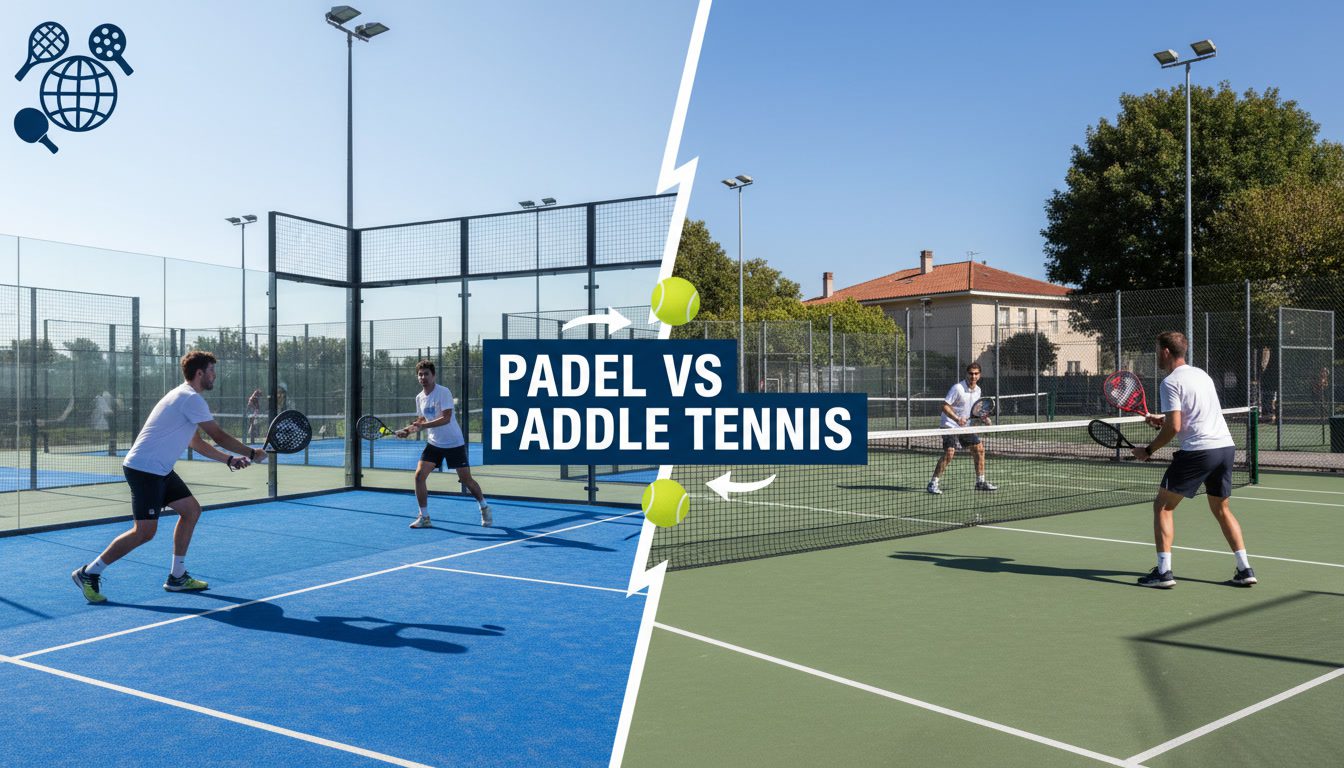
The difference between padel and paddle tennis often confuses beginners because both look similar but feel completely different in real play. Padel uses glass walls, slower rallies, and tactical positioning, while paddle tennis focuses on an open court, faster reactions, and direct shots.
In simple terms, padel is more of a strategic wall-based game, whereas paddle tennis is a fast-paced racquet sport built on quick reflexes. Many players compare them to small-court tennis variants or modern racket sports, but their rules and rhythms are not the same. Understanding this difference helps you choose the right game based on style, speed preference, and experience level.
Padel vs Paddle Tennis
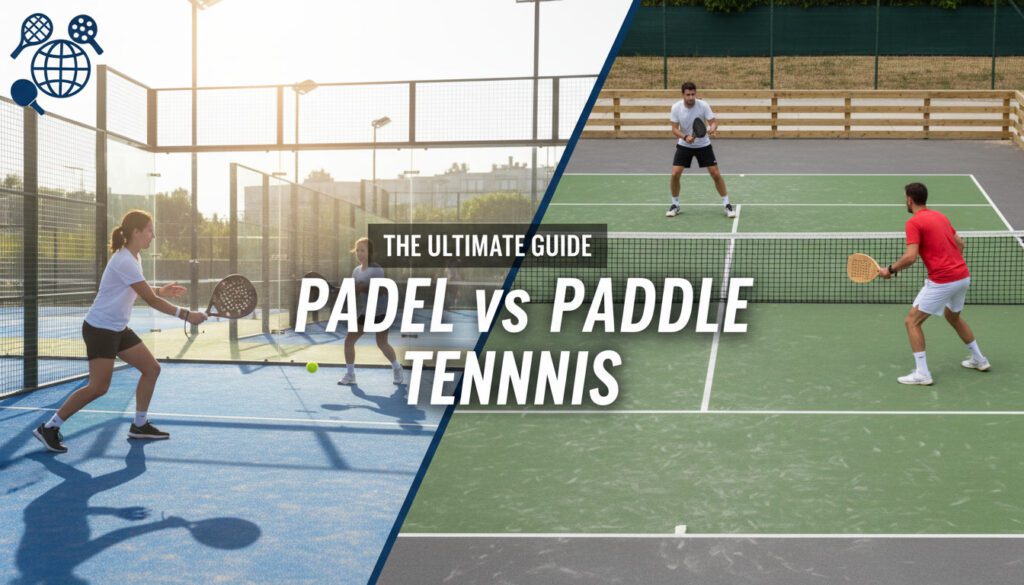
The difference between padel and paddle tennis is simple when broken down. When we talk about Padel, it uses glass walls and longer rallies. Paddle tennis uses an open court and faster points. Both are modern racket sports, but they feel very different in real play. This is why many beginners ask what padel and paddle tennis are before starting.
In short, padel is a strategic wall-based game, while paddle tennis is a quick reaction net sport. One focuses on control and patience, the other on speed and reflexes. Both are social sports for beginners and are popular in different regions, such as padel in Europe and paddle tennis in the USA.
What is Padel? (Origin & Basics)
What is padel? It is a question many new players ask. Padel is a doubles racket sport played inside a glass-walled court. It started in Mexico and became huge in Spain. Today, it is one of the fastest-growing modern racket sports in the world.
Padel is known as a strategic wall play game. Players use rebounds to continue rallies. This makes it a rally-based sport with long exchanges and fun teamwork. It is often called an easy-to-learn, beginner-friendly racket sport because the walls forgive mistakes.
What is Paddle Tennis? (Origin & Basics)
What is paddle tennis? It is another common question. Paddle tennis is a small court version of tennis played without walls. It started in the United States and became popular in cities with limited space.
It is a fast-paced racquet sport focused on reaction-based gameplay. The meaning of paddle tennis is simple: hit fast, react quickly, and finish points early. It is often described as a small court tennis variant and a strong urban court sport for quick matches.
Court Differences: Size, Walls & Surface
The court is the biggest difference between padel and paddle tennis. Padel uses an enclosed court sport structure with glass walls. Paddle tennis is played on an open court, where the ball must stay within the lines. This changes the entire style of play.
Padel feels more tactical and slower compared to paddle tennis. Paddle tennis feels sharp and direct. Both fall under the category of tennis alternatives, but behave very differently once you start playing.
Padel Court Dimensions and Glass Walls
A padel court is smaller than a tennis court but fully enclosed. Glass walls and metal fencing surround the court. Players can hit the ball after it bounces, creating a defensive shot strategy and long rallies.
This glass-wall court system allows for rebound-wall gameplay. It makes padel more strategic and less about raw power. Many players enjoy this controlled and smart style of play.
Paddle Tennis Court Dimensions
A paddle tennis court is smaller and open. There are no walls to save the ball. Once the ball goes out, the point ends immediately. This creates fast reactions and short rallies.
This setup rewards net play strategy and quick thinking. It is more direct and less forgiving than padel. That is why paddle tennis rules, when explained, focus on precision and timing.
Surface and Enclosure Differences
Padel courts often use artificial turf or sand-filled surfaces. Paddle tennis uses hard surfaces like concrete or acrylic. This affects bounce speed and movement.
The enclosed, court-sport nature of padel allows for creative shots off the walls. Paddle tennis stays strict and flat. This creates a big difference in court dimensions, feel, and gameplay.
Equipment Differences
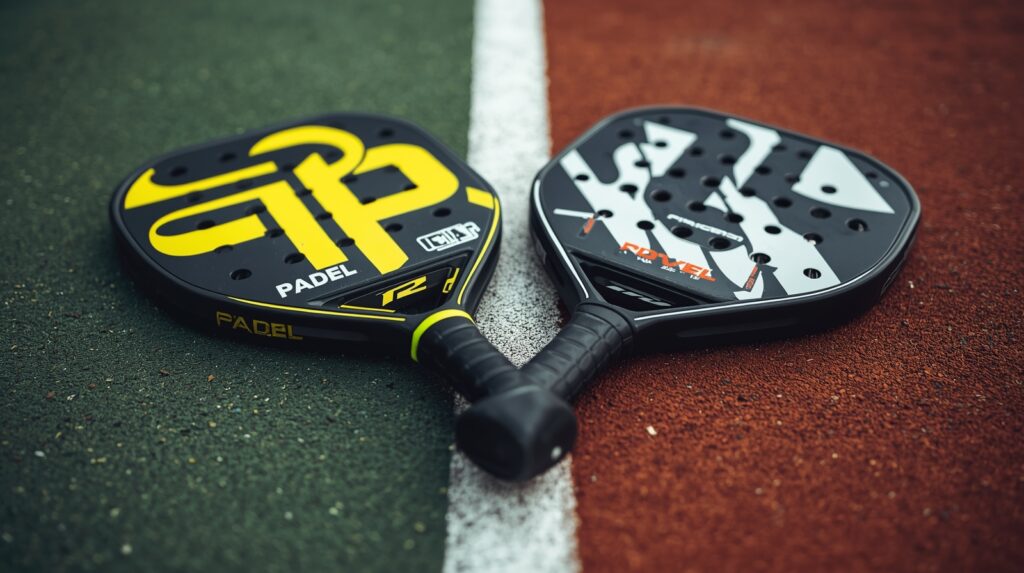
Equipment changes everything in padel vs paddle tennis. Padel uses a solid perforated racket. Paddle tennis uses a solid paddle with no strings. This difference affects control and speed.
Padel equipment supports spin and control. Paddle tennis equipment supports fast hitting and direct shots. Both are modern racket sports, but they feel very different in the hand.
Padel Racket vs Paddle Tennis Paddle
A padel racket vs. a paddle racket comparison shows big differences. Rackets of padel are round, perforated, and soft in control. Paddle tennis rackets are flat and firm for quick shots.
This changes gameplay style completely. Padel focuses on placement. Paddle tennis focuses on reaction and speed.
Ball Differences
Padel uses a depressurized tennis ball that moves more slowly, allowing longer rallies. Paddle tennis also uses a modified ball with a firmer bounce.
This makes padel more controlled. Paddle tennis becomes more aggressive. Both support their unique playing rhythm.
Rules and Gameplay Differences
Padel rules explained focus on wall use and doubles coordination. Paddle tennis rules focus on open court play and fast point endings.
Padel is a doubles racket sport with teamwork. Paddle tennis can be played in singles or doubles, but it feels more individual in terms of speed and reaction.
Padel allows defensive recovery using walls. Paddle tennis rewards quick winners. This makes both feel very different, even if they look similar at first. Scoring System Compared
The padel scoring system is the same as tennis: 15, 30, 40, game. Paddle tennis scoring system also follows tennis, but may vary in recreational formats.
Padel keeps the structure stable and traditional. Paddle tennis sometimes simplifies scoring to speed up games. Both systems are easy for beginners to understand
Padel Scoring (Tennis-style)
The Padel scoring system is simple and traditional. It follows classic tennis structure and focuses on consistency in rallies.
Paddle Tennis Scoring
The paddle tennis scoring system can vary slightly depending on local rules. Some games shorten sets for faster play.
Skill, Fitness & Learning Curve
Padel vs paddle tennis difference becomes very clear in learning speed. Padel is easier at the start because the walls help keep the ball alive. Paddle tennis requires faster reactions.
Padel is a low-impact racket sport and great for beginners. Paddle tennis demands sharper reflexes and quick decision-making. Both are social sports for beginners, but they feel different in difficulty.
Which One Should You Play? (Decision Guide)
Choosing between padel vs paddle tennis depends on your style. If you enjoy long rallies and teamwork, padel fits better. If you like speed and direct action, paddle tennis is ideal.
Padel feels more social and strategic. Paddle tennis feels more competitive and fast. Both are excellent choices among sports like tennis alternatives.
Best for Casual and Social Players
Padel works best for social sport for beginners. It allows longer rallies and teamwork. Mistakes are less punishing due to wall support.
This makes it fun, relaxed, and easy to enjoy with friends. Many players choose padel for its friendly learning curve.
Best for Competitive or Tennis Players
Paddle tennis suits players who like reaction-based gameplay. It feels closer to traditional tennis intensity.
Fast points and sharp angles make it exciting. Tennis players often adapt quickly due to a similar movement style.
Padel vs Paddle Tennis vs Pickleball vs Tennis (Bonus Comparison Table + FAQs)
This section helps compare modern racket sports in one place. It shows padel vs pickleball vs tennis differences clearly for beginners.
| Sport | Court Type | Speed | Difficulty | Style |
|---|---|---|---|---|
| Padel | Glass wall court | Medium | Easy | Strategic |
| Paddle Tennis | Open court | Fast | Medium | Reactive |
| Pickleball | Small court | Fast | Easy | Tactical |
| Tennis | Full court | Medium | Hard | Physical |
Padel vs pickleball comparisons show that padel is more wall-based. Paddle tennis stays more direct. Tennis remains the most physically demanding.
FAQs
What are the key differences between padel and paddle tennis equipment?
Padel uses a perforated stringless racket for control and spin. Paddle tennis uses a solid paddle for faster, direct shots.
What are the main rule differences between padel and paddle tennis?
Padel allows wall rebounds to keep rallies going. Paddle tennis has no walls, so points end when the ball goes out.
Which companies manufacture the best padel and paddle tennis rackets?
Padel brands like Bullpadel and Nox are popular. In paddle tennis, Wilson and Viking are commonly used.
How do the courts for padel and paddle tennis compare?
Padel is played in a glass-walled enclosed court. Paddle tennis uses a smaller open court without walls.
Where can I find courts near me in the United States?
Padel courts are popping up in major US cities. Paddle tennis courts are more common in local clubs and community areas.
What types of rackets are used in padel versus paddle tennis?
Padel uses a round, perforated control racket. Paddle tennis uses a flat, solid paddle for quick reaction play.