
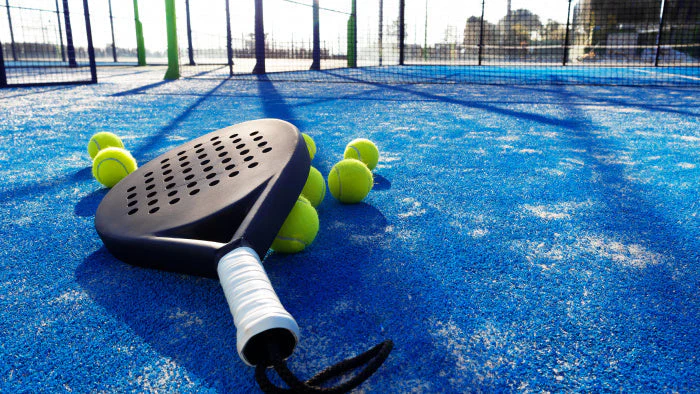
If you’ve been hearing about padel lately and wondering what the hype is about, you’re not alone. In the U.S., new courts are popping up in places that didn’t even know what a racquet sport was five years ago. And honestly? Once you step on a padel court, it clicks fast.
The first time most people play, they laugh. Not because it’s silly, but because the rebounds off the glass walls catch them off guard. The ball comes back when you think the point is over. You scramble. You react. Suddenly, you’re in a rally that lasts way longer than expected. That’s when you realize this isn’t just tennis with walls. It’s its own thing.
From what I’ve seen at local clubs in Texas and Florida, beginners don’t feel intimidated the way they do in tennis. In tennis, if you can’t serve well, the game feels impossible. In padel, you can start having proper rallies in your first session. That early success keeps people coming back.
What Is Padel?
Padel is a doubles-based racquet sport played on an enclosed court about one-third the size of a tennis court. But describing it like that feels dry. What makes it addictive is the rhythm of the game. The walls are not boundaries — they are tools. The rebounds are not mistakes they’re opportunities.
Unlike tennis, where power often dominates, padel techniques revolve around control, angles, and positioning. You don’t need a monster serve. Only you need patience, need awareness, need to read the glass.
Most new players assume it’s just a lighter version of tennis. It’s not. The differences between padel and tennis are tactical. The smaller space forces faster decisions. The underhand serve in padel lowers the barrier to entry. The emphasis on padel doubles makes it social by design.
And socially? That’s where it shines. It’s competitive, yes. But it also feels relaxed. You can play hard without it feeling hostile. It’s competitive without being aggressive. That balance is rare.
The Origins and Growth of Padel
Where Did Padel Start?
Padel began in Mexico in the late 1960s when Enrique Corcuera modified a tennis court at his home. He added walls because space was limited. That constraint accidentally created something brilliant. Spain adopted it. Then Argentina. Then the rest of Europe.
Now the U.S. is catching up fast.
In Miami, especially, you’ll see both indoor padel clubs and sleek outdoor padel setups attached to fitness centers. It’s not just a niche sport anymore. It’s entering mainstream recreational culture.
Why Is Padel Growing So Fast Worldwide?
Because it solves a problem.
Tennis has a steep learning curve. Squash is intense and physically brutal. In any honest comparison between squash and tennis, beginners often feel overwhelmed.
Padel sits in the middle.
It’s a beginner-friendly sport. It’s social. It fits into busy schedules. A match takes about 60–90 minutes. That’s manageable. Most clubs I’ve visited say the same thing beginners return within a week.
From what I’ve noticed, American players especially enjoy the tactical aspect. It feels like chess at speed. That combination keeps growth steady.
Padel Court Layout Explained
Court Dimensions and Markings
A standard padel court measures 20 meters long and 10 meters wide. The court layout includes service boxes similar to tennis, but the space feels tighter. That compression changes everything.
Because of these smaller court dimensions, positioning becomes critical. Stand too close to the net, and you get lobbed. Stand too deep, and you lose control of the angle. In daily play, you’ll notice that smart movement beats raw power almost every time.
Understanding the Glass Walls
The glass walls define the padel.
When the ball hits the back wall after bouncing, the rally continues. This transforms defense into offense within seconds. Beginners struggle at first because instinct says, “It’s out.” But it’s not.
In my experience, the moment a player starts using the wall intentionally — not accidentally — their confidence doubles. That’s when you stop reacting and start planning.
Net Height and Service Boxes
The net is slightly lower than in tennis. The serve must be underhand and bounce before contact. It feels simple. But consistency matters.
A controlled serve in padel sets up the point. It doesn’t win it immediately. That’s an important mindset shift for players coming from tennis.
Essential Equipment for Beginners
Padel Rackets Explained
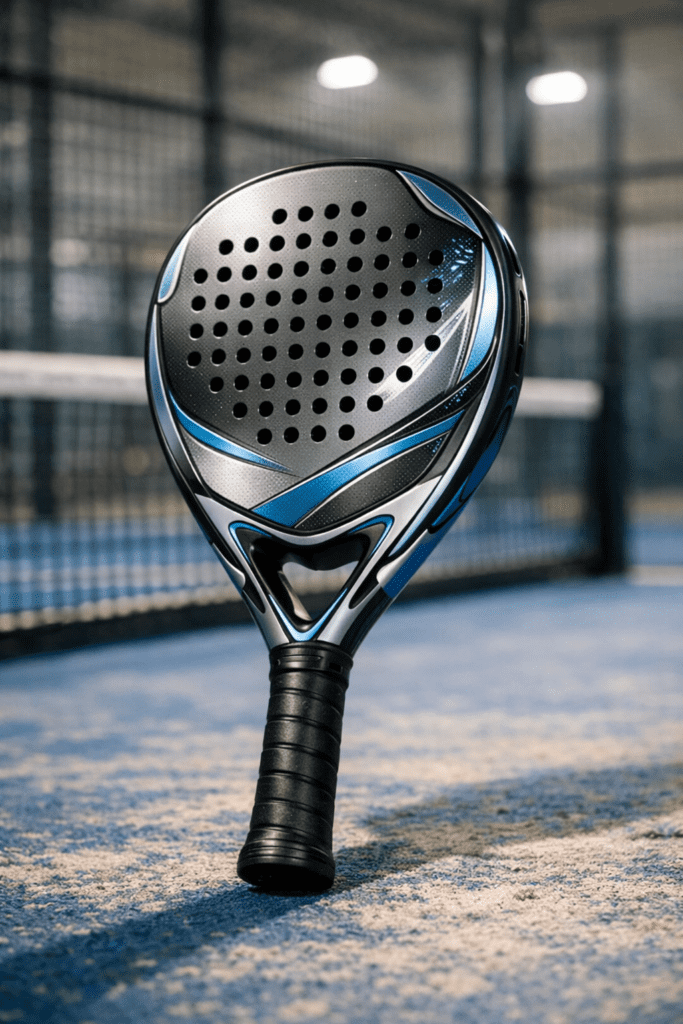
A padel racket is solid-faced and perforated with holes. No strings. The shape varies — round, teardrop, diamond. Beginners should prioritize control.
When choosing the right padel racket, most coaches recommend a medium weight with a soft core. Too heavy and your arm feels it after one hour.
Learning how to hold a padel racket properly prevents wrist strain. A relaxed padel grip allows better feel during volleys and rebounds.
Most customers at local clubs actually prefer control-oriented rackets in their first six months. Power comes later.
Padel Balls vs Tennis Balls
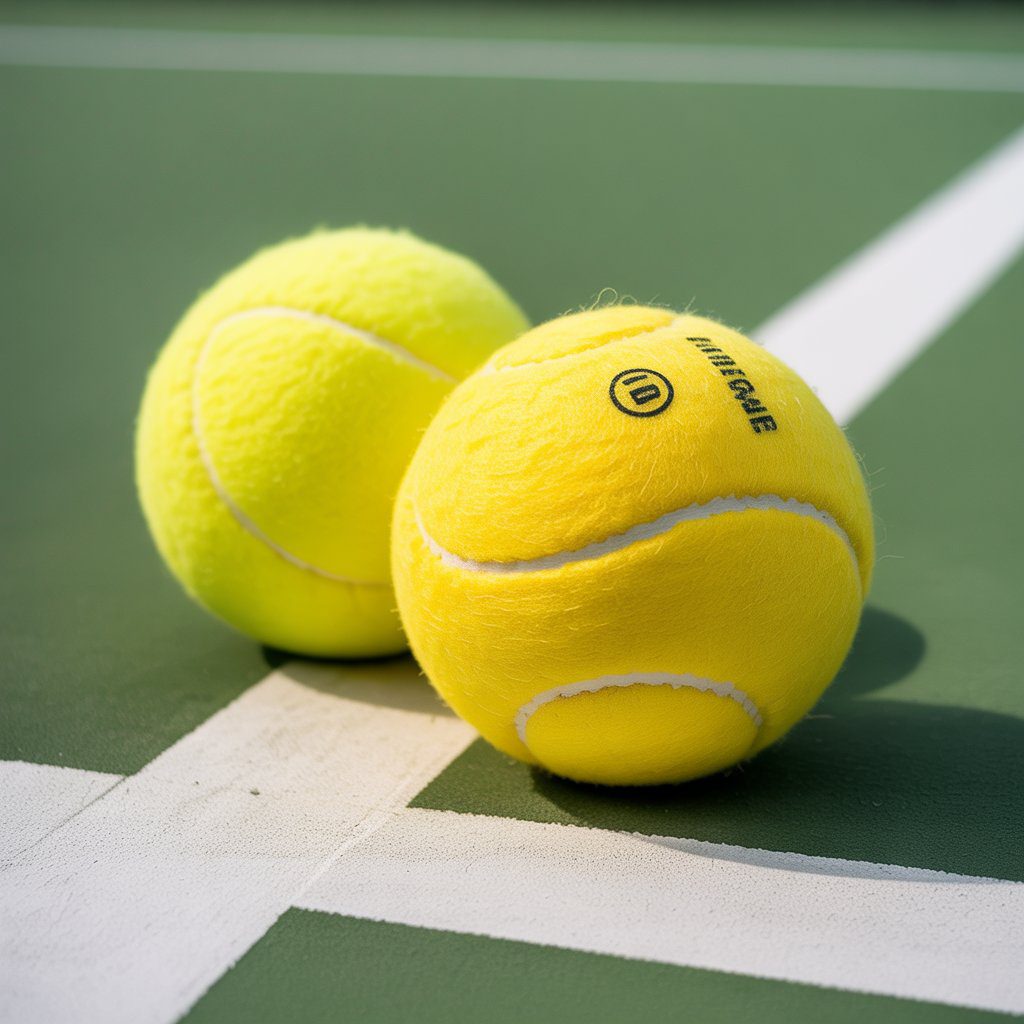
Padel balls look similar to tennis balls but have slightly lower pressure. That small difference reduces bounce height and extends padel rallies.
Longer rallies mean more fun. More strategy. More time to think.
Shoes and Clothing for Padel
Proper padel shoes are not optional. The sport demands lateral movement. Without grip, injuries happen fast.
Comfortable padel clothing supports mobility. Breathable fabrics help during summer sessions, especially in the heat of Florida or California.
Also, invest in quality padel accessories, such as wristbands and overgrips. Sweat control matters more than beginners expect.
How to Play Padel (Step-by-Step Basics)
Learning how to play padel starts with positioning. After serving, players usually move toward the net. Net control often dictates the match.
The goal is not to hit winners constantly. The goal is to create pressure. Smart lobs. Controlled volleys. Forcing awkward rebounds.
In the early stages, focus on clean contact and reading the bounce off the glass. That alone separates beginners from advanced players.
How Does Scoring Work in Padel?
Padel scoring mirrors tennis: 15, 30, 40, game. A match typically follows a best-of-three-set format under official padel set rules.
At 6–6, you enter a tie-break in padel, usually first to seven points with a two-point margin. Understanding this structure prevents confusion mid‑match.
Frequently Asked Questions About Padel
Is padel hard for beginners?
Honestly? No.
Compared to tennis, it’s much easier to rally within your first session. The walls actually help you recover points. Most beginners feel comfortable after one hour.
Do I need lessons to start?
Not necessarily. You can start casually. But structured padel lessons accelerate improvement fast. Even two sessions can fix positioning errors.
What’s the biggest mistake new players make?
Trying to smash everything.
Control wins more points than power in padel. That realization changes your game completely.
Final Thoughts: Is Padel Worth Trying?
If you’re looking for a sport that supports an active lifestyle, builds social connection, and doesn’t require years of technical training before you can enjoy it: yes.
Padel delivers intensity without burnout. Strategy without stiffness. Competition without hostility.
And once you feel a long rally build… trust me, you’ll understand the obsession.
Want to Learn More About Padel?
If you want to learn more about padel, improve your skills, and stay up to date with the latest guides and tips, keep visiting Racketivity regularly. We publish simple and practical content for beginners and growing players. If you want to know more about us or have any questions, just visit our About page. And if you need any help or have a query, feel free to contact us anytime. We’re always here to help.



3 Comments on “Padel – A Complete Beginner’s Guide (2026)”