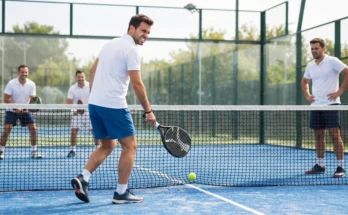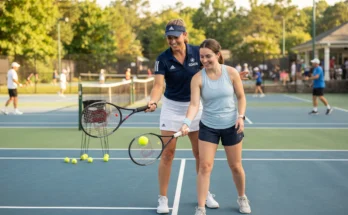
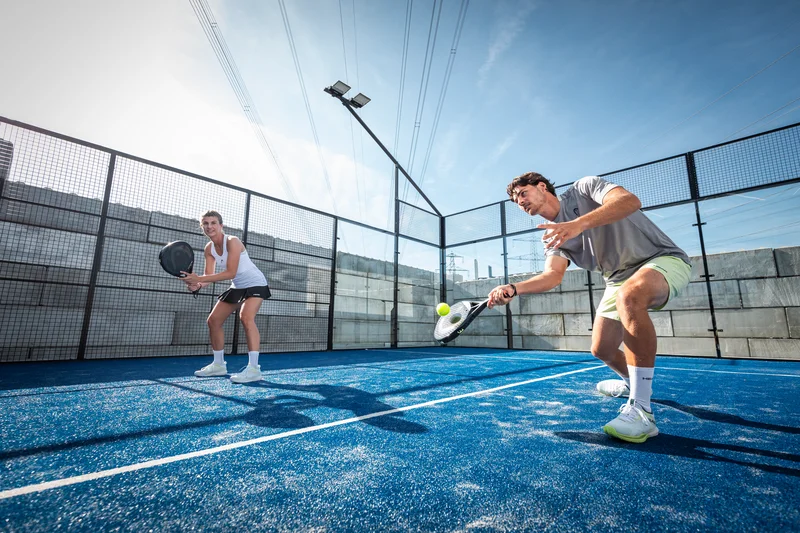
It used to be that if you heard the thwack of a racket hitting a ball, you assumed it was tennis. Maybe squash if you were near a glass box, or pickleball if you were in a Florida retirement community. But in 2026, that sound is increasingly coming from a different source entirely: Padel.
The sport that started as a niche pastime in Mexico and exploded in Spain has officially gone global. We aren’t just talking about a passing fad here. The numbers are in, and they are staggering. Padel has surpassed the 35 million-player mark worldwide, cementing its status as one of the fastest-growing sports on the planet. For context, that’s not just “good growth.” That is a takeover.
The Numbers Game: Padel Popularity Statistics 2026
If you want to understand the scale of this phenomenon, you have to look at the hard data. The Padel popularity statistics for 2026 paint a picture of a sport that is struggling to build courts fast enough to keep up with the demand to play on them.
Spain remains the spiritual home of the modern game, boasting a massive 6 million players and over 17,000 courts. It’s reached a point where padel is second only to soccer in terms of participation in the country. But the real story is how the fever has spread beyond the Spanish borders.
The UK has seen a massive surge, crossing the 400,000 player threshold. In just two years, awareness of the sport in Britain jumped from 23% to 43%. People aren’t just knowing what it is; they are actively looking for places to play.
Then there is the sleeping giant: the United States. With 500,000 players but only roughly 770 courts, the US is currently facing a massive supply-and-demand tension. It’s the Wild West of racket sports right now, with investors rushing to lay down turf before the competition does.
Why Everyone From Beckham to Your Neighbor is Playing
So, why Padel? Why now? The answer lies in the gameplay itself. Tennis is beautiful, but it’s hard. It takes months of lessons just to keep a rally going. Pickleball is accessible, but some find it lacks the dynamic athleticism of other sports. Padel sits in the sweet spot.
It’s played in a glass-enclosed court (about a third of the size of a tennis court) with solid rackets and a slightly depressurized ball. The walls are part of the game, meaning the ball rarely goes out of play. This keeps the action constant. It’s social, usually played as doubles, and the learning curve is gentle. You can pick up a racket and have a fun, competitive game on day one.
This accessibility has caught the eye of some heavy hitters. We aren’t just talking about recreational players. Global icons like David Beckham, Neymar, and Novak Djokovic haven’t just endorsed the sport—they are playing it and investing in it. When you have the world’s most famous athletes putting their money and their face behind a sport, it accelerates from a “trend” to a “movement.”
The Infrastructure Boom
The explosion in player numbers has triggered a construction boom that rivals any in the housing market. In 2025 alone, 14,300 new courts were built globally. That is a staggering amount of infrastructure.
Governing bodies are finally catching up to the hype. The International Padel Federation (FIP) and the Lawn Tennis Association (LTA) in the UK are pumping millions into new facilities. We are seeing a shift in which traditional tennis and squash clubs are converting underused courts into padel courts just to keep the lights on and the members happy.
Qatar Sports Investments has also stepped into the ring, helping to unify the professional tour. The merger of Premier Padel and the World Padel Tour has created a legitimate, high-stakes professional structure that is ready for prime-time TV.
What This Means for the Future of Racket Sports
The rise of Padel forces a conversation about the global sports landscape. For a long time, tennis stood alone at the top of the racket sport pyramid. Now, it has to share the spotlight.
The inclusivity of the sport is a major factor in its staying power. Current stats show that female participation sits at around 40%, a much healthier balance than many legacy sports. It’s a social lubricant, a workout, and a competitive outlet all rolled into one.
Looking ahead to 2027 and 2028, analysts are projecting the player base could top 50 million. The global market value is expected to hit $6 billion. The US and the UK are emerging as the new hotbeds for growth, but don’t sleep on expansion into Asia and the Middle East.
We are also likely to see the “lifestyle” aspect of the sport grow. Padel clubs aren’t just places to sweat; they are becoming social hubs with cafes, bars, and co-working spaces. It’s not just a sport; it’s a Saturday afternoon hangout.
The Bottom Line
The verdict is in: Padel is here to stay. Whether you are a seasoned tennis pro looking for a new challenge or someone who has never held a racket in their life, the barrier to entry is low, and the fun factor is high. The courts are being built, the pros are getting paid, and the world is watching.
If you haven’t tried it yet, you might want to book a court now. Considering the waiting lists popping up from London to Los Angeles, you might be able to get a game in by next Tuesday.
Want to Learn More About Padel?
If you want to learn more about padel, improve your skills, and stay updated with the latest guides and tips, keep visiting Racketivity regularly. We publish simple and practical content for beginners and growing players. If you want to know more about us or have any questions, just visit our About page. And if you need any help or have a query, feel free to contact us anytime. We’re always here to help.
Frequently Asked Questions (FAQs)
1. What do the 2026 statistics show about padel growth?
The data confirms that padel now has 35 million players worldwide.
2. Which countries are leading the padel surge?
Spain, the UK, and the United States. Spain currently has 6 million active players and over 17000 courts.
3. Why is padel more accessible than tennis and pickleball?
Tennis is less beginner-friendly because it requires a high level of tactical output. Mainly, the serve is very difficult to execute. Pickleball is more accessible, but it lacks dynamic movement. Padel creates the perfect hybrid.