
Padel is no longer Britain’s cool little side hobby whispered about between tennis sessions and post-work gym plans. The sport has exploded into the mainstream, with the LTA revealing that 860,000 adults and juniors in Great Britain played padel at least once in 2025.
Separately, the global search report showed UK online interest in padel surged 121% year over year. Put those two numbers together, and the message is that padel is not just growing in Britain, it is sprinting.
That matters because this is the point at which a trend starts to act like an industry. Participation has more than doubled from 400,000 players at the end of 2024. The UK has now climbed into the world’s top 20 nations for search interest in padel, landing 15th globally. More people are not only hearing about the sport but are also actively seeking it, booking it, and likely texting their group chats about who is bringing the balls.
The numbers come from two fresh sources that line up neatly. The LTA’s March 25, 2026, update laid out the domestic picture. It reported the 860,000-player figure, a jump in awareness to 57% of the British population, and more than 10 million Britons expressing interest in trying padel.
Then on April 20, 2026, The Padel Paper, citing the Padel Global Search Report 2026 published by the World Padel Network. This reported that UK search interest in padel rose 121% between 2024 and 2025, well above the global year-on-year increase of 49%.
The Numbers Behind Padel’s British Surge
The domestic growth story is not subtle. The LTA says padel participation in Great Britain rose from 15,000 players in 2019 to 129,000 in 2023, 400,000 in 2024, and then 860,000 by the end of 2025. That kind of curve is usually found in a startup pitch deck. The sport is social, beginner-friendly, and just technical enough to make newcomers feel athletic within about 12 minutes. That is a dangerous combination in the best possible way.
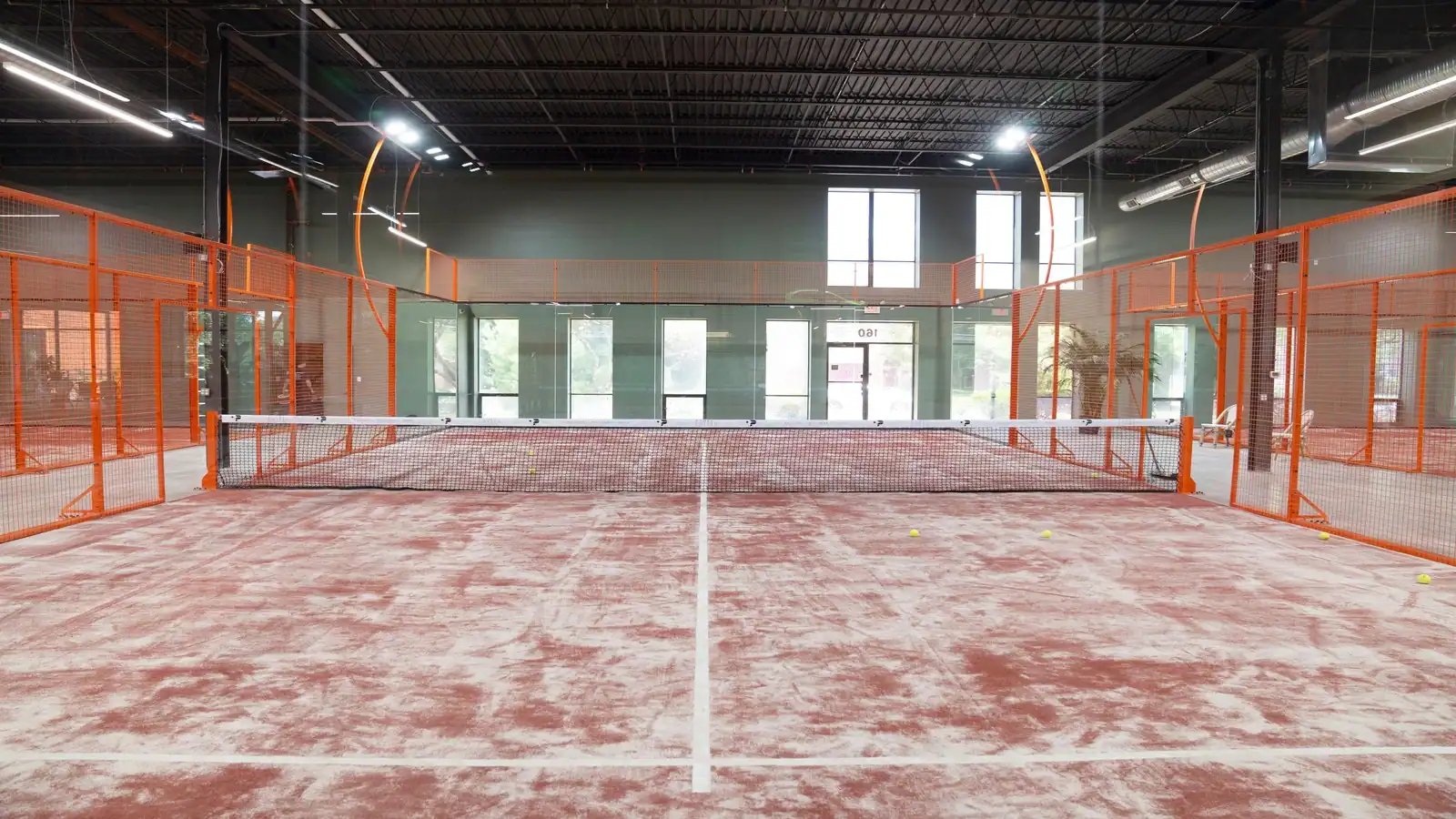
The infrastructure has scrambled to keep up. Britain had 1,553 padel courts across 559 venues at the end of 2025, up from 870 courts and 293 venues a year earlier. Back in 2020, when the LTA took over governance of padel, there were only 69 courts.
The governing body also said it and the LTA Tennis Foundation have invested more than £7.5 million into court construction, supporting a further £10.5 million investment and helping deliver 112 courts at 57 venues. The government has also allocated at least £2.5 million to cover the cost of facilities for 2026-27.
There is also a practical reason the sport is cutting through. The LTA said the average off-peak court booking costs £7 per person per hour, or £27 per hour for a doubles booking. In a sporting landscape where many hobbies seem determined to empty your wallet before you break a sweat, that matters. A social sport with a lower barrier to entry, expanded venue access, and a fast learning curve is basically catnip for modern recreational players.
Padel Is Not Just Growing, People Are Hunting for It
The online search numbers add another layer to the story. The Padel Paper’s Padel puts the UK just behind markets such as the UAE, Switzerland, Italy, Paraguay, and Indonesia. It is also signaling that Britain is no longer watching Padel’s global boom from the cheap seats. It is on the field now.
The report also suggests this is part of a broader global reshuffling. Spain still leads the way, but the gap is narrowing as other countries surge. The UK’s rise fits into that wider movement, though its rhythm appears a little different from the traditional padel powers.
The Padel Paper noted that the UK tends to peak in winter, while countries like Spain and Portugal remain strong year-round. Britain may have found the rare racket sport capable of thriving even when the weather is doing its usual moody British theater routine.
World Padel Network founder Jamie Rowe discussed how padel is growing in places like the UK and the US. He added that the data can help the industry understand how interest may trend over the coming months and years. That is the key line here. Search demand does not automatically translate into long-term retention, but it is usually the smoke before the fire alarm starts ringing for every venue operator in town.
Why Padel’s Next Challenge Is Keeping Up With Demand
The challenge now is not awareness. The LTA says awareness among adults has reached roughly 31 million people, up from 38% or around 20 million in late 2024. More than 10 million Britons say they want to try padel. Those are huge top-of-funnel numbers. The real test is whether Britain can build enough courts, coaches, programs, and affordable access points.
The LTA appears to understand that. Its update highlighted accessibility, youth coaching plans, community outreach, women-and-girls initiatives, and operator collaboration as major priorities. More than 81% of venues responding to the LTA’s survey were involved in community outreach, including school partnerships, lower-cost sessions, and complimentary coaching for underserved groups. Tom Murray, the LTA’s Head of Padel, said the sport’s momentum is “undeniable.”
What Comes Next for Padel in the UK
The next phase for padel in Britain looks obvious. There will be more courts, more covered facilities, more entry points for new players, and more pressure on operators to convert curiosity into habit. The search boom says people are looking. The participation boom says many of them have already started playing. Now the sport has to do the less glamorous work of growing up well.
If Britain can keep expanding access without losing its social charm, this could be the moment when the sport starts to be treated as established. In other words, the UK padel boom has arrived. Now comes the harder part: making sure everyone who wants a game can actually get one.
Want to Know About Common Padel Mistakes?
If you are new to padel or even playing regularly, understanding common mistakes can dramatically improve your game. From poor positioning and overhitting shots to struggling with glass rebounds, many players unknowingly limit their progress. Learning what to avoid early on can help you play smarter, build confidence, and enjoy the game more.
Check out our detailed guide on common padel mistakes to sharpen your skills and step up your performance on court.
Conclusion
Racketivity highlights how Britain’s padel surge is no longer just a trend but a full-scale movement shaping the country’s sports culture. With 860,000 players, soaring search demand, and rapid infrastructure growth, the foundation is already strong.
The real challenge now lies in sustaining this momentum by expanding access, improving facilities, and keeping the sport as social and accessible as it is today. If that balance is maintained, the UK is not just catching up to global padel leaders, it is positioning itself to become one of them.