Padel in Canada just hit a serious milestone. The country’s official governing body for the sport has thrown its full support behind the Canadian Universities Padel League, giving student players their first real shot at a structured national pathway. This isn’t just some small administrative nod. It’s the kind of move that could help turn padel from a cool import into a genuine part of Canadian campus sports culture.
For anyone who’s been watching racket sports lately, this feels like the right moment. Padel has been picking up steam quietly across the country, especially in bigger cities where people are always looking for fun, social ways to stay active. Now that the Padel Association of Canada (PAC) has officially recognized the CUPL, actual infrastructure is beginning to take shape behind the hype.
What Exactly Is Padel, Anyway?
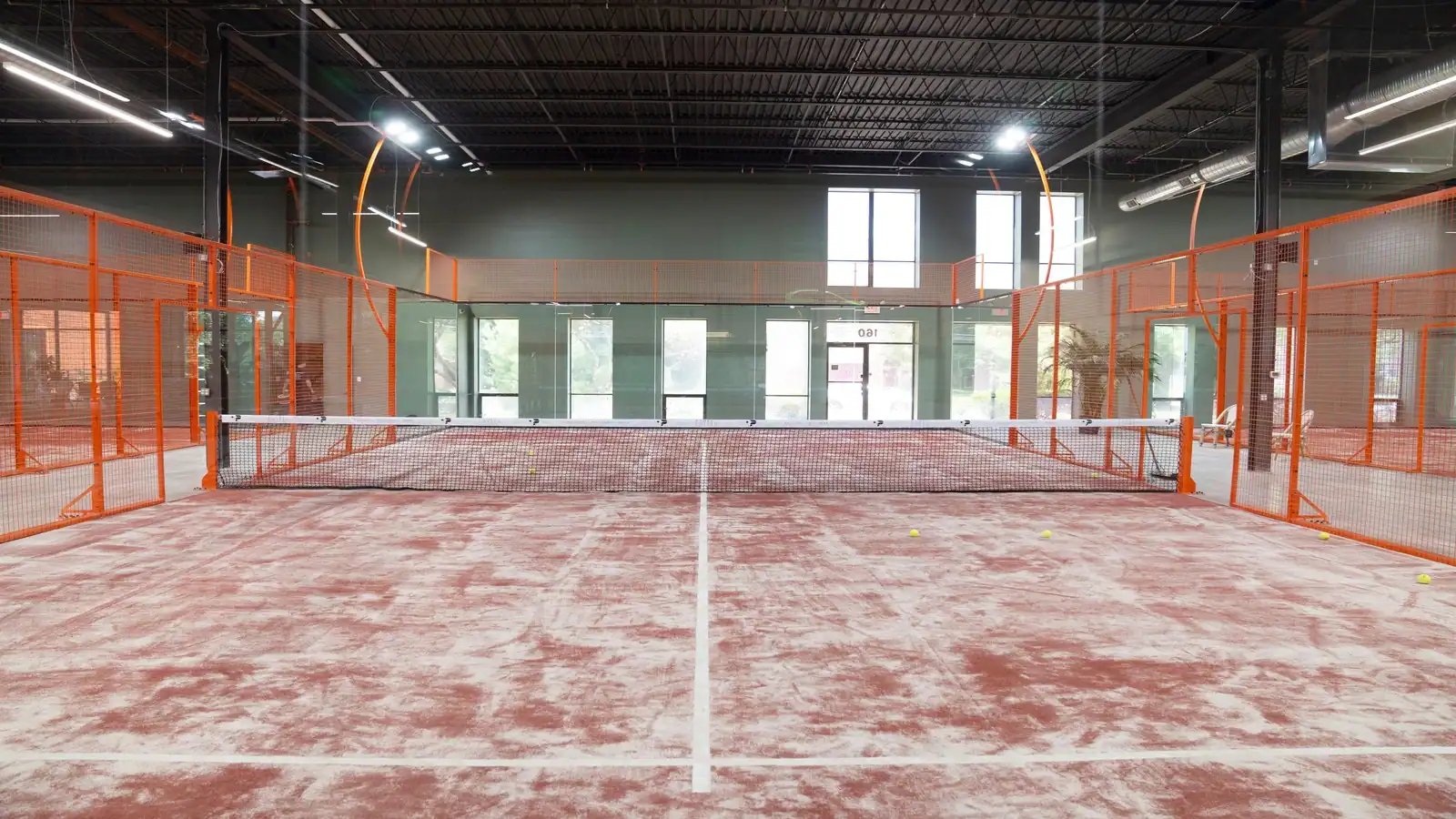
If you’re still figuring out the difference between padel and pickleball, you’re not alone. Picture tennis mixed with squash, but played inside a walled court about the size of a big living room. The ball can bounce off the glass and mesh walls, which adds this whole new layer of strategy and chaos that keeps rallies going longer and makes it way more forgiving for beginners than straight tennis.
Bill Stamile knows this game better than most. He’s the guy who first brought padel to Canada way back in 1992. In a recent chat with CTV News, he talked about why it’s catching on now: it’s social, it’s fast to pick up, and you can have a proper competitive match even if you’re not a natural athlete.
In a country where winters shut down outdoor sports for months, that enclosed court setup is a game-changer. You show up, grab a paddle, and suddenly you’re laughing, sweating, and trash-talking with friends. That mix of accessibility and real competition is why clubs keep opening from Toronto to Calgary.
The Big Recognition Moment for University Padel
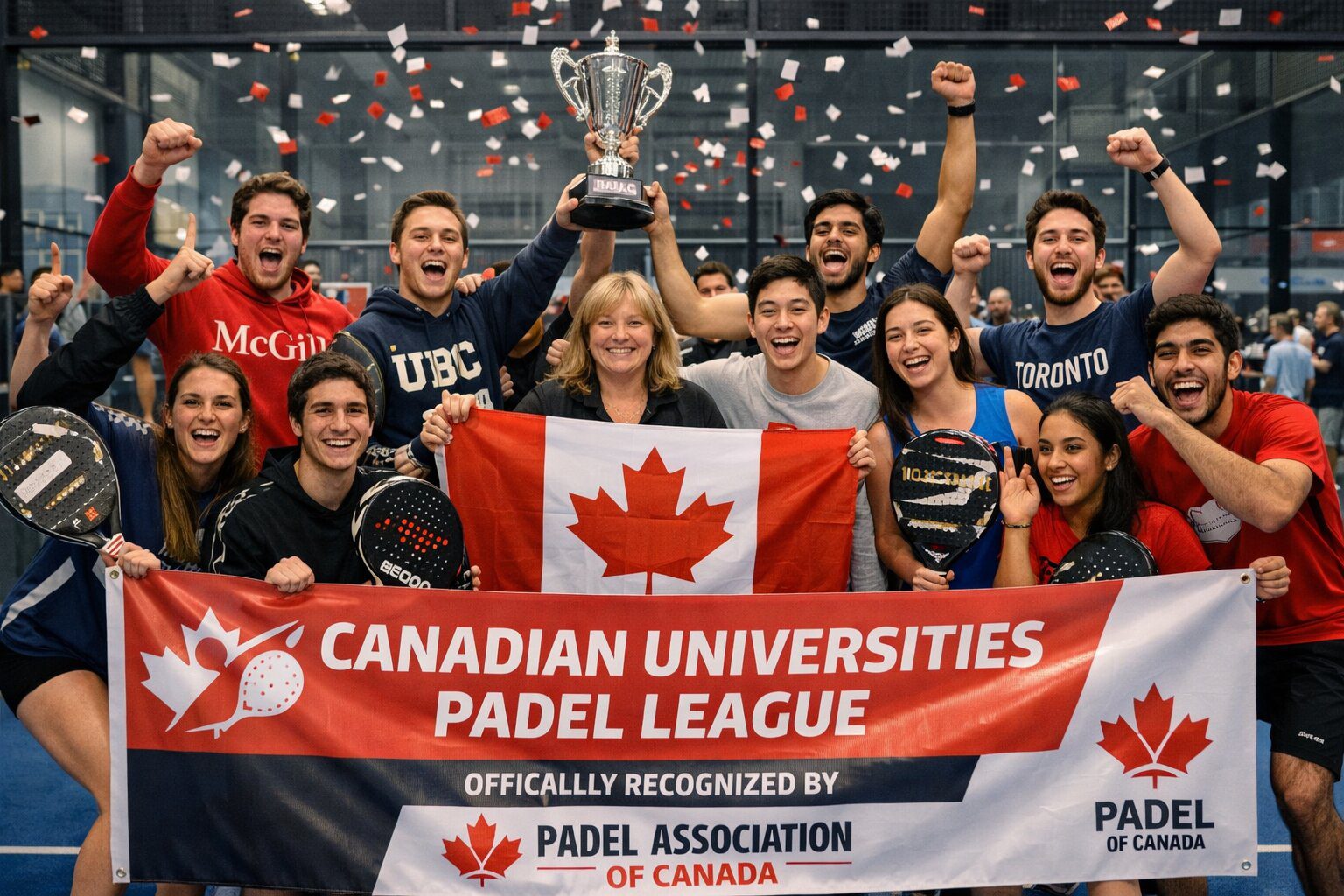
The CUPL started as a student-run idea, and now it’s got the blessing of the national organization. In its very first season, the league pulled together more than 70 student-athletes from eight universities, mostly in Eastern Canada. That might not sound massive compared to hockey or basketball programs, but for a sport that’s still growing here, those numbers show real hunger on campuses.
Arthur Brousse and Hector Brown, the two students who co-founded the league, are pretty pumped about where this is headed. They said the partnership creates that missing bridge between weekend club play and something more serious. “We’re building a structured, competitive pathway,” they noted, one that could eventually connect Canadian students to bigger international opportunities.
Nancy Malone, who heads the Padel Association of Canada, called it an important step for the sport as a whole. She pointed out that university programs have always been key to building lasting talent pipelines in other sports, and she sees the CUPL already proving what’s possible.
How Padel Sneaked Up on Canada
Nobody would claim padel is a household name here yet. Stamile planted the first seeds over 30 years ago, but for a long time, it stayed a niche thing, mostly expats and curious tennis players giving it a try. The real boom has come in the last few years as the sport has exploded globally, especially in Europe and Latin America.
Canadian winters helped accelerate things. While traditional outdoor tennis goes quiet for half the year, padel clubs can run year-round. Add in the fact that it’s usually played in doubles, and you’ve got something that feels more like hanging out with friends than grinding through solo drills. University students are the perfect crowd for this. They’ve got energy, they’re social, and they’re open to new experiences. The CUPL taps right into that, giving them a chance to compete without needing decades of training or massive scholarships.
What This Partnership Actually Changes
This isn’t just a fancy announcement. PAC and the CUPL are planning to align their schedules, promote tournaments together, and begin building a real development system. For talented young players, that means a clearer path from campus matches to national team consideration.
Right now, the league is mostly Eastern Canada, but they’re already pushing hard to launch a Pacific Conference. That would finally connect universities out West and create true coast-to-coast rivalries. Imagine students from UBC facing off against teams from McGill or Toronto. That kind of thing builds excitement fast. It also opens the door to sponsorships and facility development. When a national body gets behind something, it gives confidence to clubs and universities thinking about investing in courts and coaching.
The Human Side: Why Players Are Getting Hooked
There’s something addictive about padel once you step on the court. The points come quick, the walls create crazy angles, and even if you’re not winning every rally, you’re having fun. In an age when many young people feel burned out on traditional team sports, this feels fresh.
One thing that keeps coming up in conversations with players is the community. After matches, people stick around. You grab a drink, replay the best points, and make friends across different schools. That social glue is powerful on university campuses where students are often looking to connect. For the athletes who get really into it, the physical benefits are real too, quick footwork, core strength, and hand-eye coordination. But it never feels like punishment. It feels like play.
Looking Ahead: Building Something That Lasts
The immediate goal is expansion. Organizers want those Western universities on board and are already talking about Canada’s first national university padel championships. Down the line, the hope is to see Canadian students competing at world university events and feeding talent into the pro ranks.
Challenges are still there, of course. Good courts aren’t cheap to build, and finding experienced coaches takes time. But the momentum feels different now with official backing. This isn’t just enthusiasts pushing things forward anymore, as there’s structure. Padel has a real chance in Canada because it fits our lifestyle. We love sports that combine skill with accessibility. We deal with tough weather, so indoor options matter. And we appreciate games that bring people together rather than divide them by elite talent levels.
Bill Stamile must be smiling while watching all this. What he started as one guy introducing a new sport three decades ago has grown into something with real legs, like student leagues, national support, and young people actually caring about it. This latest development with the CUPL feels like padel has crossed an important threshold. It’s no longer just “that trendy European thing.” It’s becoming Canadian in its own way, practical, social, and full of potential.
If you haven’t tried it yet, find a local club and book a court. Bring some friends. You’ll probably get hooked, and you might just be part of the next wave helping this sport grow across the country. The glass walls are up, the paddles are swinging, and for once, it feels like Canada is getting in on something early enough to actually shape it.
Frequently Asked Questions (FAQs)
1. What is the major milestone achieved by Canada?
The Padel Association of Canada (PAC) has given full backing to the Canadian Universities Padel League (CUPL). Hence, padel will be part of the Canadian school curriculum.
2. Who was the founder of CUPL?
It was an initiative created by Canadian students led by Arthur Brousse and Hector Brown.
3. Who initially introduced padel to Canada?
Bill Stamile introduced padel to Canada in 1992.