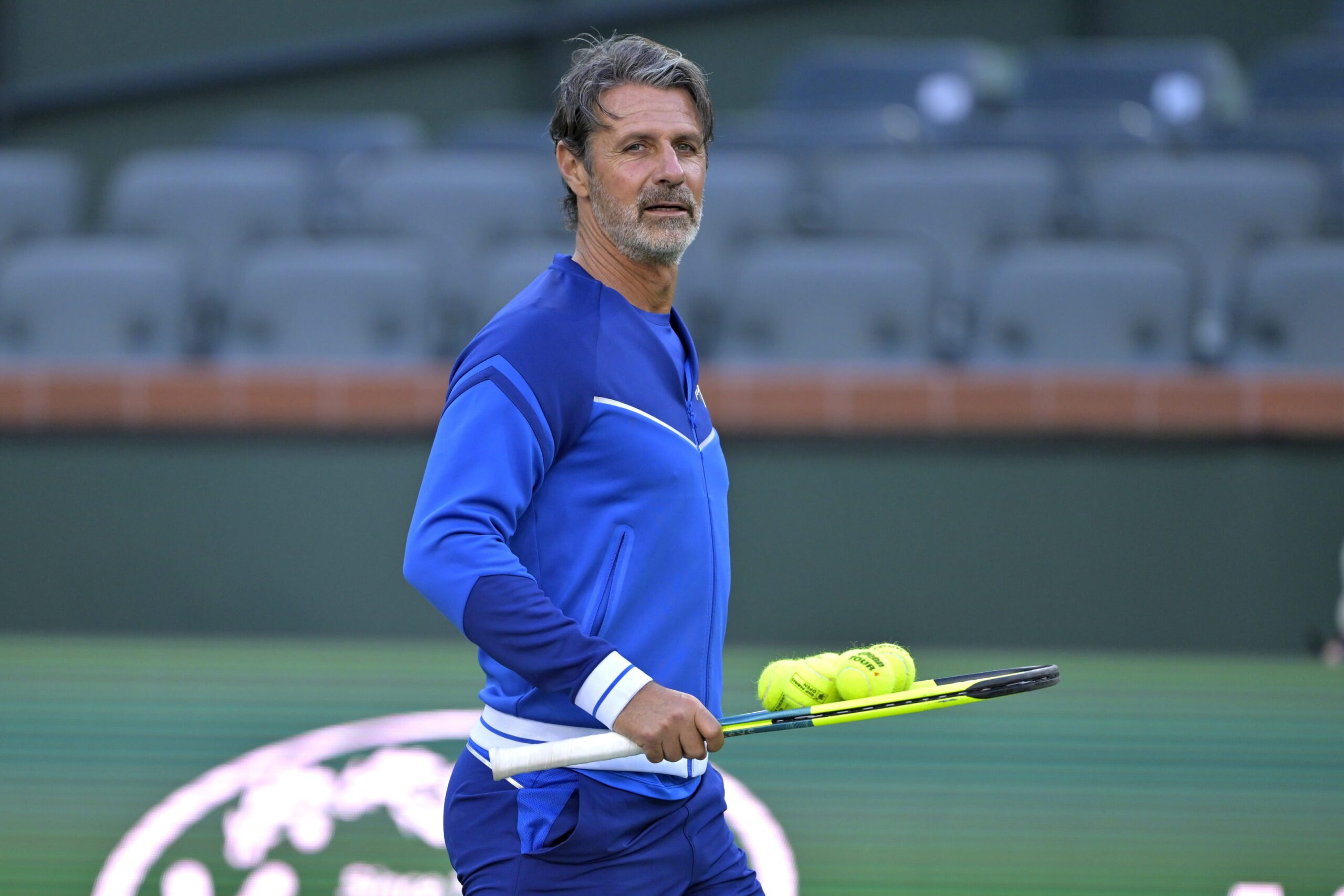
The racket sports universe is undergoing a major debate over tennis versus padel. Now, legendary coach Patrick Mouratoglou has shared his perspective on these two racket sports.
Recently, padel has emerged as the world’s fastest-growing sport. Because of the identical scoring system, tennis players tend to make assumptions. They believe they can walk onto an enclosed padel court and immediately dominate using their baseline prowess. Mouratoglou, having expanded his sprawling tennis academy empire in the South of France to embrace the padel boom, is entirely shutting down that narrative.
The renowned coach challenged the modern assumption that elite tennis skills automatically translate to padel fluency. “Think tennis and padel are basically the same? Think again,” Mouratoglou stated. “They may look alike at first, but the moment you switch, everything feels different.”
The core of Mouratoglou’s argument centers on the mechanics of court positioning and the sudden redefinition of aggressive play. “In tennis, volleys are clean and sharp,” Mouratoglou noted. “In padel, it’s all about touch and control. When it’s tennis, you chase every ball. In padel, sometimes the smartest move is to let it hit the glass.” Padel essentially flips the traditional racket script, turning what used to be fatal tennis errors into routine, high-level defensive setups.
The most brutal trap for a tennis convert, however, is the overhead smash. “And the smash? Power in tennis… but in padel, it’s all about angles and spin,” Mouratoglou explained. Because the padel court is significantly smaller, hitting a flat, powerful overhead often causes the ball to rebound directly off the back glass, leaving the opponent set up for an easy counterattack.
“Same roots, completely different instincts,” he summarized, proving that bringing sheer brute force to a game built on spatial geometry will routinely backfire.
The Illusion of Power: Why Traditional Tennis Tactics Fail
To truly understand what Mouratoglou is dissecting, you have to look at how points are constructed in both disciplines. In traditional tennis, the objective is incredibly linear. You step inside the baseline, cut off angles, and strike the ball cleanly out of the air. You dictate the point with pace.
If a tennis player sees a short, floating lob, it serves as an open invitation to end the point with pure, unadulterated violence. A player steps up, snaps their wrist, and buries the ball into the open court. But bringing that same instinct to a padel court is a recipe for disaster.
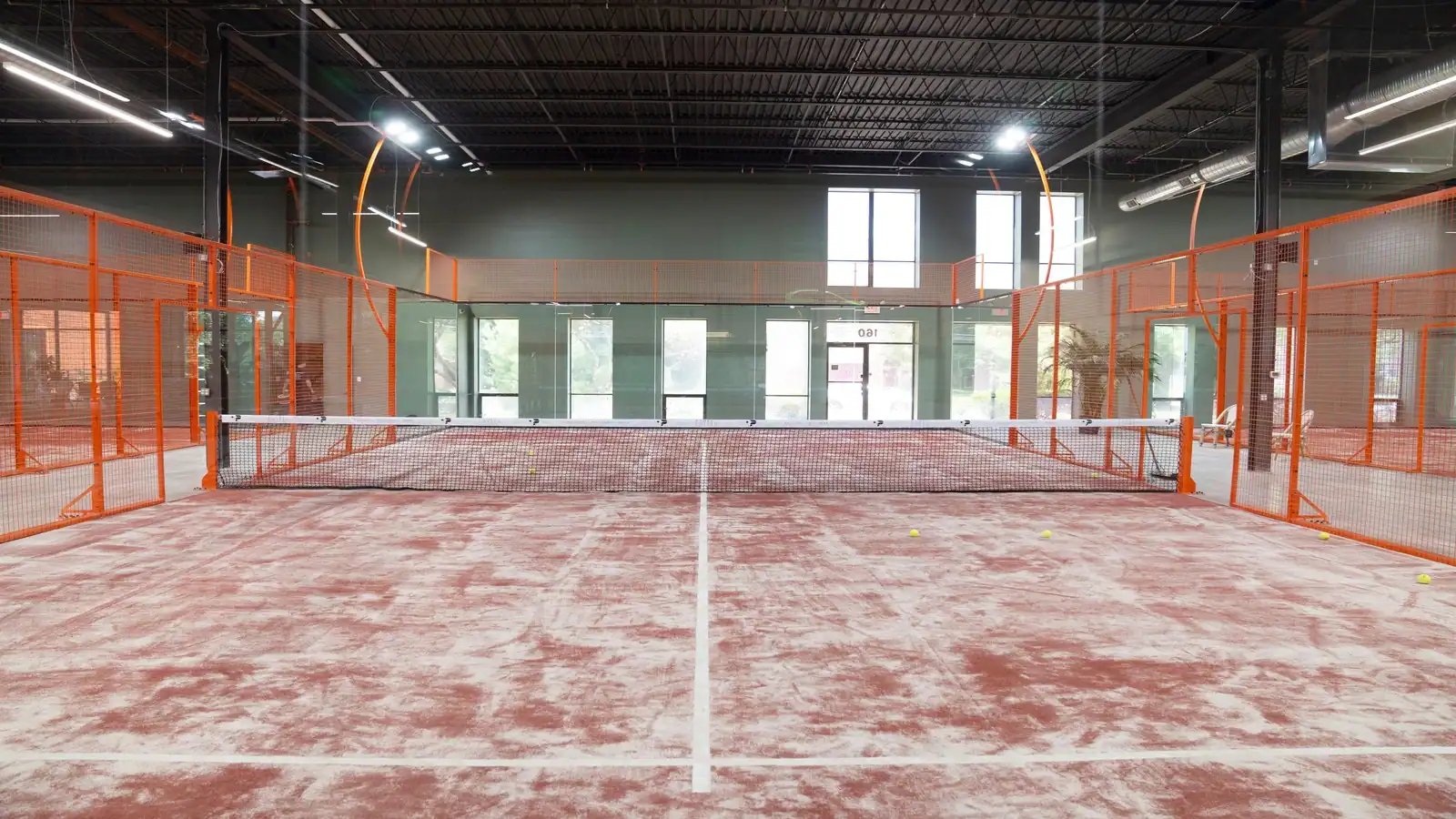
A padel court measures just 20 by 10 meters, noticeably tighter than a standard 23.77 by 10.97-meter tennis court, and the glass walls are ever-present. Padel requires specialized, nuanced overheads that tennis players have never had to practice. Shots like the bandeja (a sliced, defensive tray-shot aimed at keeping the bounce low) or the vibora (a heavy-spin snake shot designed to bite off the corner glass) prioritize placement, depth, and spin over speed. You aren’t just trying to hit through the opponent; you are actively trying to manipulate the bounce off the cage.
Reprogramming the Brain for the Back Glass
As Mouratoglou hinted, the single biggest learning curve for any racket athlete making the transition is utilizing the back wall. The glass barriers surrounding a padel court are not just out-of-bounds markers; they are active participants in every single rally.
A tennis player’s natural instinct is to panic and stab at a ball before it gets behind them. They are hardwired from childhood to defend the space in front of their body at all costs. A seasoned padel player, however, will calmly let that same heavy ball pass them by. He will watch it rebound off the back glass and casually float a lob back over the net to reset the rhythm of the point.
Reprogramming this fundamental instinct takes hours of unlearning. The geometry of the court simply punishes the impatient. For a tennis player, letting the ball pass you feels like surrendering. In padel, it is the cornerstone of elite, championship-level defense.
The Equipment Shift: Less Pop, More Strategy
Beyond the tactical adjustments Mouratoglou points out, the physical tools of the trade dictate this dramatic shift in style of play. Tennis players are accustomed to wielding highly engineered, stringed rackets that act like trampolines, allowing them to generate massive topspin and baseline pace from a dead run.
Padel rackets feature zero strings. They are solid, perforated blocks typically constructed from stiff carbon fiber or fiberglass. They are shorter, thicker, and demand a much more compact swing path. Take a massive, looping tennis swing with a padel racket, and you are almost guaranteed to send the ball crashing directly into the back wall.
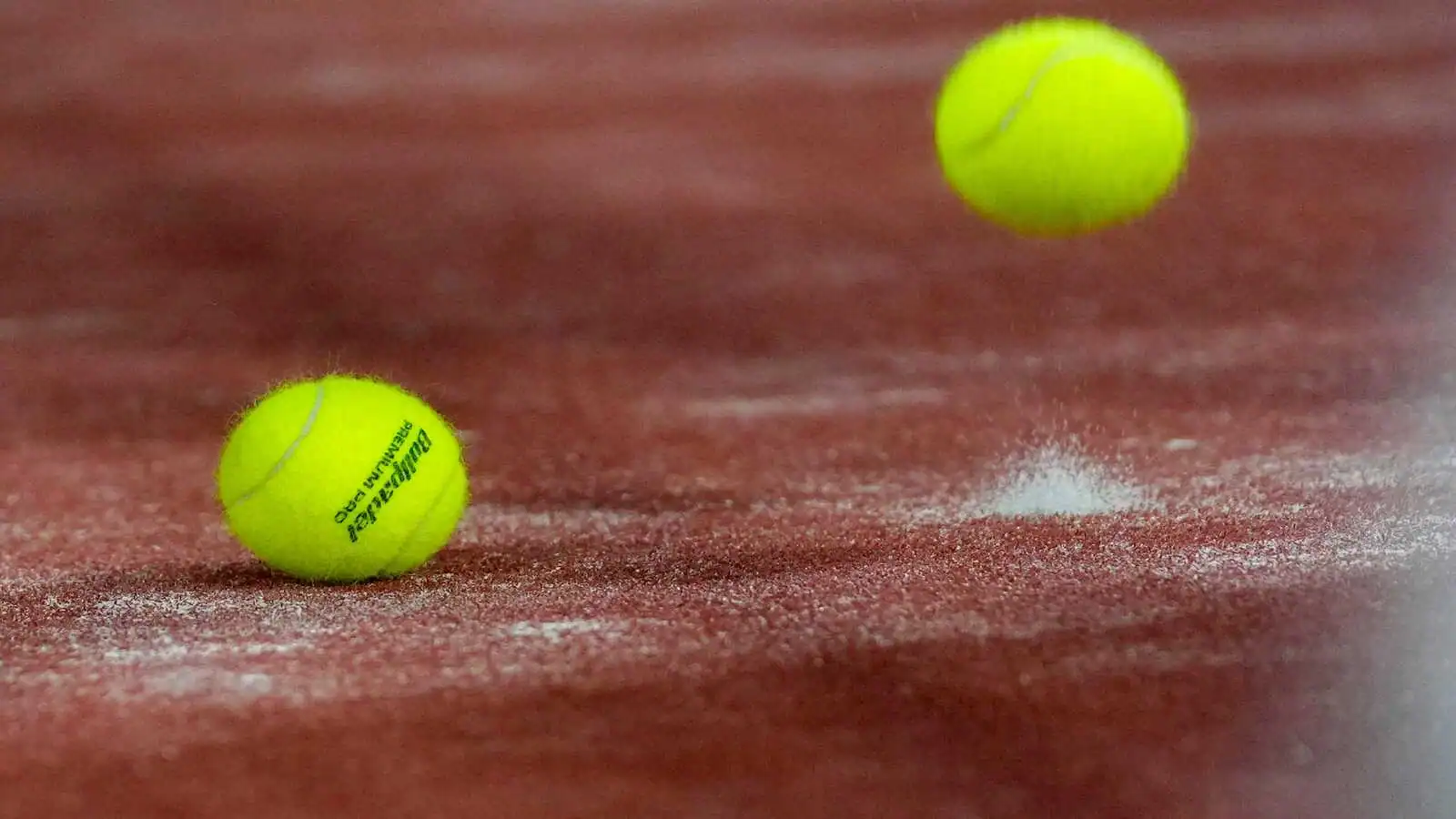
Add in the fact that padel balls are slightly smaller and carry less pressure than standard tennis balls. They play more slowly, sit lower on the turf, and refuse to bounce with the same aggressive kick. It is an environment purposely engineered for prolonged, grueling rallies and strategic warfare rather than one-shot baseline kills.
A Shared Bloodline, but a Different Battlefield
The two sports share the same traditional scoring system, 15, 30, 40, deuce, and advantage, but that is essentially where the similarities end. In tennis, you win matches by hitting unreturnable winners and overpowering your opponent. In padel, you win by forcing errors, managing the chessboard, and possessing the cardiovascular patience to wait out a 30-shot rally.
We have already seen professional tennis players attempt the crossover with varying degrees of success. Former WTA top-50 player Marta Marrero famously transitioned to padel after retiring from tennis, grinding her way to becoming the padel World No. 1. Her journey proved that while the athletic foundation is highly transferable, the execution requires a complete teardown of old habits. Even all-time greats like Rafael Nadal and Novak Djokovic, who play padel recreationally, have to adjust their legendary swings when they step inside the glass.
Mouratoglou’s willingness to vocalize these differences carries weight. Having built his reputation by coaching titans of the game like Serena Williams, Stefanos Tsitsipas, and Simona Halep, he knows exactly what it takes to achieve racket mastery. By treating padel with the tactical respect it deserves, he is signaling to the tennis purists that it is time to drop the ego.
Mouratoglou’s breakdown leaves the global sports community with a lingering, provocative question: “So tell me… which one do you think is harder to truly master: tennis or padel?” As padel continues its relentless expansion across the United States and Europe, that question will be answered in real-time by an entirely new generation of dual-sport athletes. For now, the overarching takeaway is clear.
Frequently Asked Questions (FAQs)
1. Who is Patrick Mouratoglou?
Ans: Patrick Mouratoglou is a French-born coach who has his own academy named after him. On the professional tennis tour, he has coached notable players such as Serena Williams and Holger Rune.
2. What did Patrick Mouratoglou say about tennis and padel?
Ans: Mouratoglou said, “Think tennis and padel are basically the same? Think again. They may look alike at first, but the moment you switch, everything feels different.”
3. How is a padel volley different from a tennis volley?
Ans: There is more dynamic action required for a tennis volley to generate pace. However, the padel volleys are more disciplined. The padel volley requires more tactics than power.
4. Why is Smash a trap for tennis players converting to padel?
Ans: When a tennis player executes a smash (especially at the net), he mentally switches off thinking he has won the point. However, you cannot do that in padel as the ball gets deflected from the glass wall at a similar speed.
5. How does the pedal gear change the tennis swing?
Ans: A tennis racket comprises strings, which means that the player needs power to execute shots with maximum velocity. However, using a similar technique with a padel racket will cause the ball to fly out of the court. Hence, padel players should prioritize compactness over power.