
French padel is riding an unprecedented wave. Private club operators have banded together to form the Association Nationale du Padel (ANP). The sport has shattered participation records, averaging 7.1 tournaments per player and more than 1.15 million cumulative entries over the past year.
This dual momentum, organizational unity among commercial players, and explosive on-court activity signal that padel in France is maturing fast. What started as a niche import is now a full-fledged industry force, complete with its own lobbying body separate from the French Tennis Federation (FFT). The numbers tell a story of genuine grassroots hunger, not just hype.
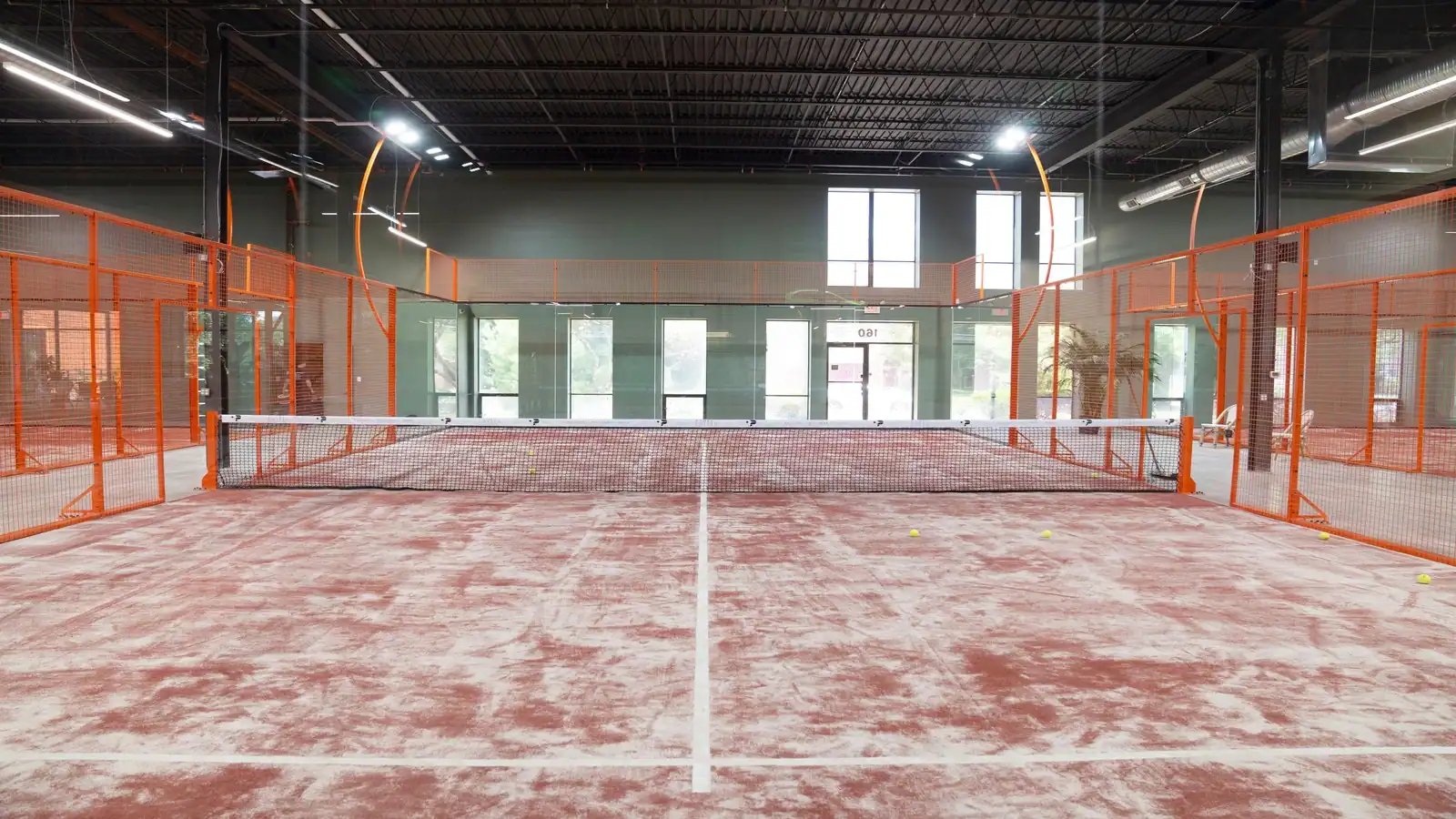
The ANP launched in April with backing from Union Sport & Cycle (USEC), the powerful union representing sports, leisure, and cycling interests across France. It unites private padel clubs, which make up roughly 75% of operators and control about 60% of the country’s courts. Their mission is straightforward: structure, support, and promote padel nationwide, from training referees and coaches to coordinating tournaments and driving social initiatives.
Why This Matters for the Future of Padel in France
Padel’s growth in France has been remarkable for years, but these latest developments feel like a tipping point. Private operators are no longer content operating in silos. They want a unified voice to tackle shared challenges.
They want court noise complaints, permitting issues, talent development, and fair competition with public or FFT-affiliated facilities. At the same time, the participation boom shows demand is real and deepening. Players aren’t just showing up once; they’re competing repeatedly, feeding club revenue, and building a committed community.
As reported, these moves come at a perfect moment. France already boasts thousands of courts and a licensed player base that recently topped 100,000. The new association and record stats suggest the sport is transitioning from rapid expansion to sustainable, professional growth.
Record Tournament Activity Shows Deepening Engagement
The numbers from Padel Magazine paint a vivid picture of just how hungry French players are. Over the last twelve months, competitors averaged 7.1 tournaments each. It is a new historic high that crossed the 7-tournament mark recently and keeps climbing.
Break it down further, and the enthusiasm stands out even more. The French Top 100 averages 15.3 tournaments per player, while the Top 1000 averages 21.9. That means the most dedicated players are living and breathing the sport. More than 13 athletes have racked up over 21 tournaments in a year, outnumbering those in several lower brackets. Clubs and organizers are thriving on this activity.
Yet the data also reveals a classic participation pyramid. More than half of all competitors played just 1 to 3 tournaments, and nearly 70% played in fewer than 1 event every 2 months. This highlights both the opportunity and the challenge: converting casual players into regulars will be key to long-term health.
Total participations tell the biggest story. France has smashed the million-entry barrier in the men’s category alone, with 1,152,441 cumulative entries across genders. Women are approaching 140,000. These aren’t abstract figures as they translate directly into filled courts, sold gear, and packed events.
Private Clubs Step Up: Birth of the ANP
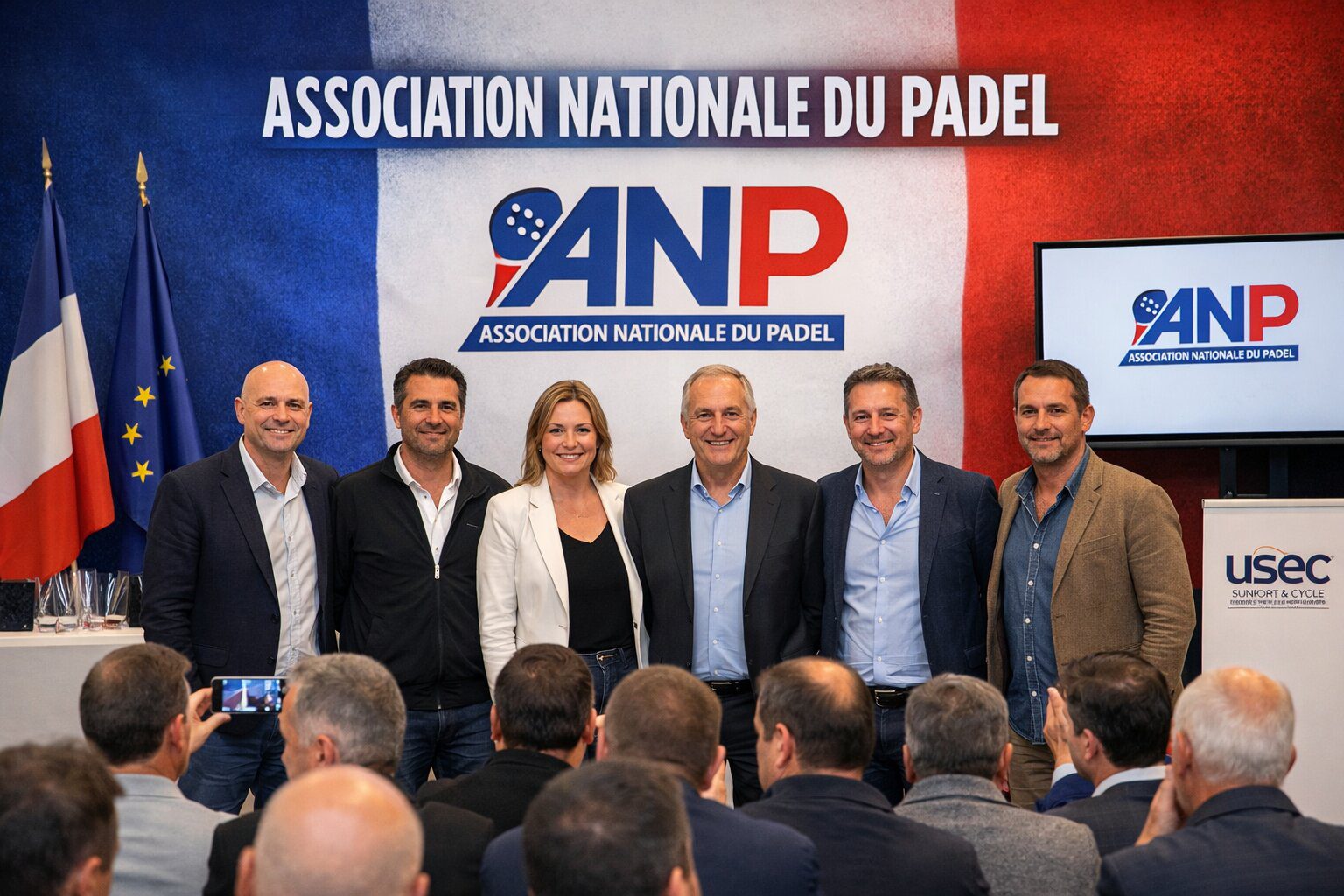
The creation of the ANP isn’t happening in a vacuum. Private facilities have powered much of padel’s infrastructure boom in France. With the majority of courts under their control, operators recognized the need for collective strength.
Romain Taupin, a respected French padel consultant, called it the birth of a “counter-power” to the FFT, which has governed padel in the country. Others frame it more collaboratively, as a push for structured cohabitation and a stronger, unified industry voice to address common headaches.
Previous attempts at similar groupings, like a 2020 symposium of padel clubs, fell apart due to commercial rivalries. The fact that this one has USEC’s weight behind it gives it real staying power. The ANP’s basic website already outlines ambitious goals: developing the sport, expanding educational programs, improving tournament coordination, and advancing societal impact.
This mirrors trends elsewhere. In the UK, the LTA has hosted operator forums, and independent groups like Soul Padel’s roundtable are pushing shared principles. France’s move feels more formal and potentially more influential given the scale of the private sector there.
Historical Context and the FFT’s Role
Padel arrived in France years ago but only truly ignited in the last decade. The FFT took over official governance, integrating it into tennis structures, while private clubs built most of the new facilities. That partnership has delivered growth, but tensions exist around priorities, revenue shares, and development pace. Court counts have surged, and licensed players have climbed dramatically.
The ANP doesn’t appear positioned for outright war. Instead, it looks like private operators are asserting their economic importance and seeking a seat at bigger tables. Success will depend on whether they can collaborate with the FFT while fiercely competing for the same customers day to day.
What the Boom Means for Players, Clubs, and the Industry
For everyday players, more tournaments and better organization mean easier access to competitive play at all levels. Broader implications touch equipment brands, court builders, and even local economies. Padel brings people together in a social yet athletic format that feels fresh. France’s success could inspire neighboring countries still building their scenes.
Challenges remain. Noise regulations, land availability for new clubs, coach training, and maintaining quality as the sport scales are all live issues. The ANP’s focus on these areas could prove decisive.
The coming months will test the ANP’s ability to deliver. Expect initial actions on tournament coordination, training programs, and regulatory advocacy. Dialogue with the FFT will shape whether this becomes a productive partnership or parallel development.
On the participation front, momentum shows no signs of slowing. If the average keeps rising and conversion from casual to regular improves, France could solidify its place as one of Europe’s padel powerhouses. Players across the country are already feeling the energy. Courts are busier, events are bigger, and the community is tightening. This isn’t just growth, but it’s a sport finding its identity and infrastructure at the same time.
Whether you’re a weekend warrior grinding out those early tournaments or a club owner navigating the new landscape, one thing is clear: French padel has never been more alive. The combination of record numbers and organized private-sector ambition sets the stage for an even brighter chapter ahead.