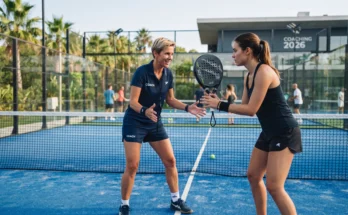
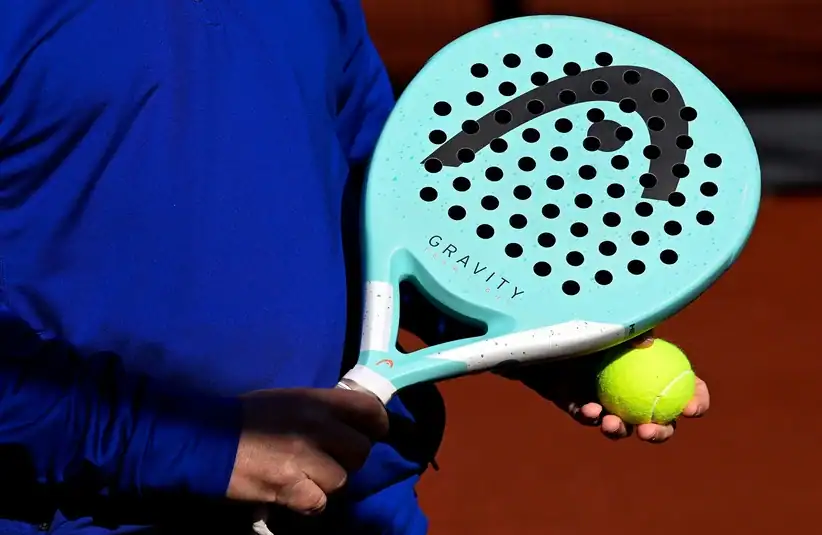
The serve in padel might not deliver the thunderous aces you see in tennis, but it quietly decides more matches than most beginners realize. Get this one foundational shot right, and you immediately put pressure on your opponents while giving yourself and your partner the best chance to storm the net and control the point.
That’s the biggest takeaway from expert guides across the sport: the padel serve is a setup tool first, a weapon second. Nail the basics, add smart placement and a touch of spin, and suddenly you’re not just starting points.
Why the Padel Serve Matters More Than You Think
In padel, the net is king. The team that gets there first usually wins the point. A strong serve buys you the split-second you need to slide forward into volley position alongside your partner. Miss that window because you hammered a 100mph rocket that sails long or sits up nicely for the returner, and you’re already on the defensive.
This is especially true for beginners and club players. Pros rarely ace with the serve because returns are so consistent off the walls, but amateurs can turn a well-placed serve into a genuine advantage. Target the glass, keep the ball low, and watch opponents pop up weak replies that you and your partner can put away at the net. All experts hammer home the same message: focus on control, consistency, and positioning over raw power.
Rules Every Beginner Must Know
Before you swing, lock in the fundamentals to avoid wasting points on basic faults.
- Stand with both feet behind the service line (no stepping on or inside it).
- Hit underhand after the ball bounces once.
- Contact must be at or below waist height.
- The ball must land diagonally in the opponent’s service box first (it can then hit the side or back glass, but not the cage/fence directly).
- You get two attempts. Double fault, and the point is gone.
These rules feel restrictive at first compared to tennis, but they force creativity. The serve is related to angles and tempo rather than brute force.
Step-by-Step Guide (4 Tips)
1. Stance Brings Consistency
Put yourself behind the service line with your non-dominant foot slightly forward. Face slightly sideways to allow natural hip and shoulder rotation. Keep your racket up high in a continental grip. Think of shaking hands with the handle or using it like a hammer.
High racket preparation is crucial. It lets you attack the ball from high to low, driving it downward so it stays low after the bounce and glass contact. Low preparation forces you to lift, and lifted balls sit up begging to be attacked.
2. Master the Ball Drop
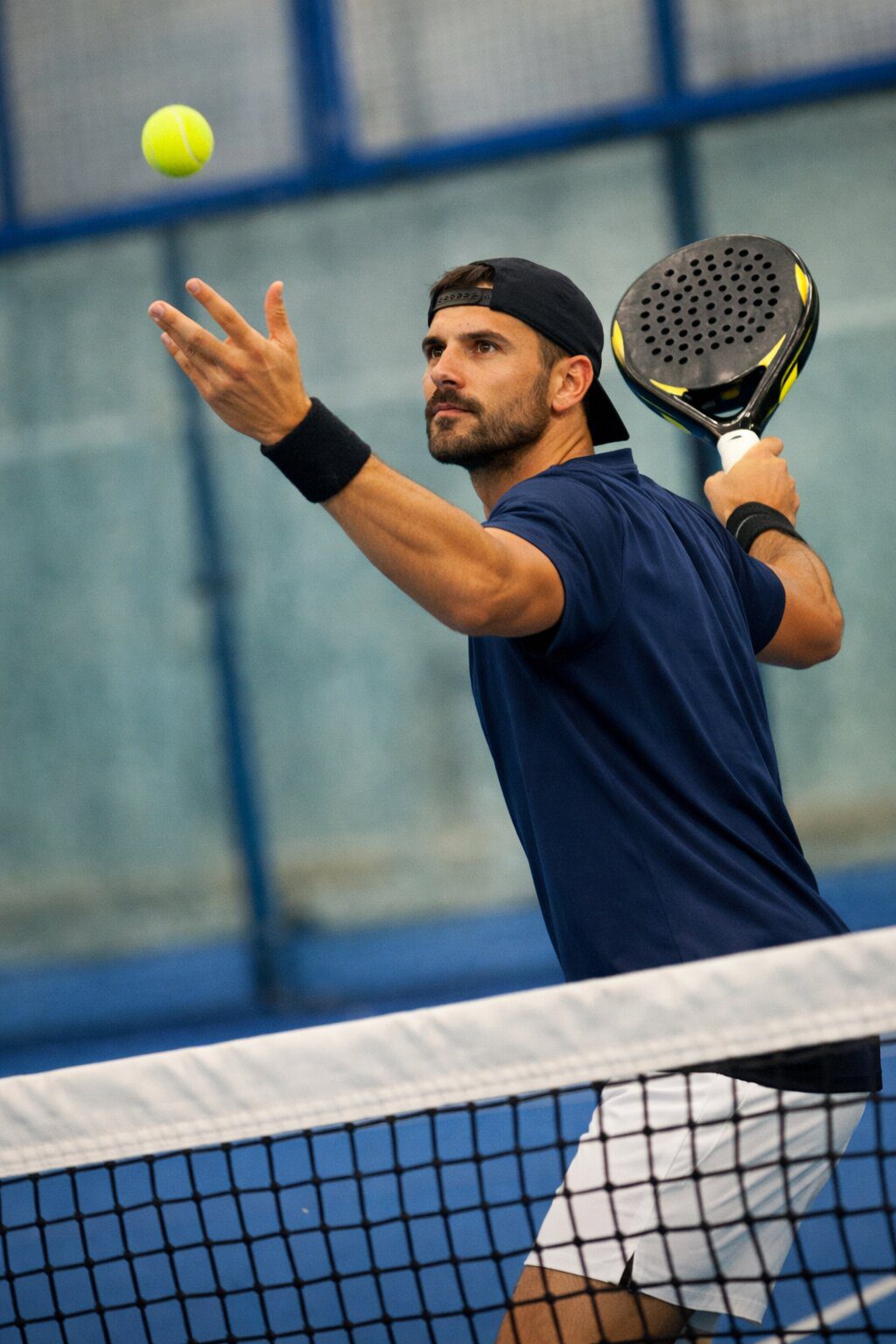
Hold the ball in your non-hitting hand at about waist height and release it gently. No big toss like tennis. Just a controlled drop so it bounces naturally. Aim for consistency here; an erratic drop ruins timing and direction every time.
Pro tip: Practice the drop on its own. The best servers make this look effortless because they’ve grooved the motion.
3. Timing, Swing, and Spin
Make sure that the contact point is at the peak. However, it should still be below waist level. Use a smooth, relaxed swing and transfer weight from the back foot to the front as you rotate. Brush slightly under and across the ball for backspin/slice. This keeps returning low and awkward.
Avoid topspin early on. It makes the ball jump up after the glass, handing your opponents easy attacking opportunities. Flat serves work fine while you develop the slice.
4. Follow Through and Sprint to the Net
Your racket should naturally finish toward the target. Immediately after contact, move forward aggressively. The serve isn’t over when you hit the ball. It’s over when you and your partner are both settled at the net, ready to volley.
This transition is where club players lose the most value. Serve too hard, and you’re still back at the baseline when the return comes back. A controlled pace gives you time to arrive at the perfect spot.
Key Tips That Transform Beginners Into Dangerous Players
Serves that bounce deep and catch the side glass are nightmare returns for beginners and intermediates. The extra wall contact gives you extra time to reach the net while forcing the opponent into defensive positions.
60-70% effort is often perfect. It keeps the ball low, gives you recovery time, and still pressures the returner. Mix in the occasional faster serve down the middle. Avoid these common mistakes
- Serving too fast and getting caught behind the baseline.
- Staying flat-footed after contact instead of charging forward.
- Double faults on the second serve. Pros almost never gift cheap points here. Keep the second serve simple, slower, and more central if needed.
Top players look calm and focused before every serve. Find a consistent pre-serve ritual. Bounce the ball the same number of times, take a breath, and visualize the target. It helps under pressure.
Drills to Build a Reliable Serve Fast
Practice doesn’t have to be boring. Try these:
- Target Practice: Place markers in the service box (especially near the side glass) and aim for them. Start without power, focus on accuracy.
- Net Dash Drill: Serve, then sprint to a predetermined net position. Your partner returns, and you see how quickly you can get there and be ready.
- Diagonal Singles: Play cross-court only. You serve far more often and get tons of reps in a fun, competitive way.
- Second Serve Focus: Force yourself to make 20-second serves in a row to the glass or body. Build confidence that you won’t double-fault.
How the Serve Fits Into the Overall Strategy
Once you’re comfortable, start thinking tactically. Serve to your opponent’s weaker side (usually backhand). Use body serves to jam them. Alternate wide glass serves with tighter ones down the T.
The goal isn’t winners off the serve. It’s weak returns you can attack at the net. In doubles, communication with your partner is key. Call out targets or decide who covers what after the serve.
What Comes Next: Take It to the Court
The beautiful thing about the padel serve is how often you get to practice it. Start simple this week. Focus on high preparation, controlled pace, and getting to the net. Film yourself or ask a friend for feedback. Within a few sessions, you’ll notice returns coming back softer and points ending quicker in your favor.
Padel rewards smart players who build from the first shot. Master the serve, and you give yourself a foundation that turns good rallies into winning ones. Grab your racket, book that court, and start turning your serve into a real weapon. Your future self and your partner will thank you.