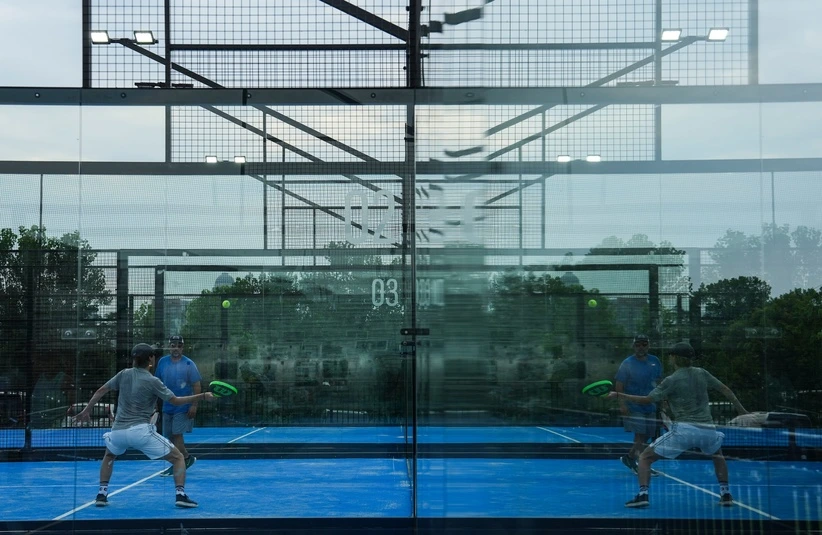
Padel players looking for a quick way to improve point survival and shot variety always need to understand one thing. The walls are not just part of the court; they are one of the sport’s biggest tactical advantages. Players who learn to read rebounds, defend with the glass, and attack off the walls give themselves a real edge in rallies.
That matters because padel is often decided by the players who stay calm when the point gets messy. Anyone can hit a clean forehand in space. The tougher challenge is handling a deep ball off the back glass, reading a double rebound in the corner, or turning a defensive scramble into a neutral ball that resets the point. In padel, those moments come constantly, and they often decide whether you stay in control or spend the match chasing.
Padel rewards anticipation more than panic. Players who rush the ball after it hits the glass usually lose control of the point. Players who let the rebound develop, move their feet, and understand the ball’s angle give themselves a much better chance to respond with purpose. That sounds basic, but it is one of the first major separators between newer players and experienced ones.
There is also a mental side to this. Many players see the ball heading deep and immediately think the point is in trouble. Good padel players do the opposite. They trust the court and know the back wall can buy them time. They know the side wall can set up a cleaner strike zone. And they know that if they read the bounce correctly, a ball that looked dangerous a second earlier can become completely manageable.
What comes next for players is not complicated, but it does require reps. The path forward is learning the main wall situations, understanding when to let the ball travel, and building enough confidence to use those rebounds in real match play instead of avoiding them.
Why the Walls Matter So Much in Padel
This is what makes padel different from almost every other racket sport. The glass and mesh do more than contain the point. They expand it. They create second chances, strange angles, longer rallies, and a level of tactical variety that tennis players often need time to adjust to.
Mastering the walls is essential for any player trying to move up a level. That applies whether you are a beginner still learning basic positioning or a regular player trying to defend better under pressure. The reason is obvious once you watch enough matches: deep balls do not automatically end points in padel. They make new decisions.
Wall play can be the difference between evenly matched pairs in matches. That feels true on court. If one pair understands rebounds and the other pair does not, the gap shows up quickly. One team absorbs pressure. The other rushes, mistimes contact, and gives away cheap errors.
The walls also slow the game down in a useful way. Not slower in intensity, but slower in decision-making. They give defenders a fraction more time to recover position. They allow players to stay alive even when they would otherwise lose points in another sport. And once that becomes comfortable, the same walls can be used to pressure opponents with awkward bounces and uncomfortable recoveries.
Reading the Rebound Is the First Real Skill
If there is one place every player should start, it is here. Before the attack shots, before the flashy recoveries, before the dramatic corner pickups, there is one foundational task. Learn how the ball comes off the glass. Rebounds are divided into two main categories. The first is the simple rebound, where the ball bounces on the ground and then hits one wall. That is the most common situation, and usually the easiest to manage. It gives players time to position themselves and play with more control.
The second is the two-wall rebound, when the ball contacts the back wall and the side wall, or vice versa. That is where players tend to get exposed. The angles become less intuitive, the ball can change direction quickly, and hesitation usually kills the shot before it begins.
You cannot just stand there and hope the rebound brings the ball back to you. You have to read the trajectory early and move with it. That means turning your body, adjusting your feet, and getting behind the bounce instead of reacting at the last second. It sounds obvious, but on court, that is usually where the breakdown happens. The best wall players are patient. They do not attack the rebound too early. They let the ball come off the glass and meet it in a better contact zone. That patience is not passive. It is controlled anticipation, and in padel, that is a huge distinction.
How Padel Players Use the Walls on Defense
This is where the walls become a lifeline. They are valuable allies in defense, and that is exactly right. When opponents pin you deep, the glass can help you stay on the point and reset the rally. The most basic example is the defensive back-wall play. If the ball is hit deep, you let it bounce on the court and then off the back glass before striking it forward. Done well, that shot buys time and helps you recover your position. Done badly, it floats short and invites pressure. That is why technique and calm matter so much.
Another option is the lob via the wall. Instead of forcing a rushed groundstroke from a tough position, players can use the rebound to lift a more controlled defensive lob. That is a smart padel play because it changes the shape of the point. It gives defenders time to move up, and it forces the attacking team to hit one more overhead.
There are also more advanced recovery shots using the side glass. These are harder because the contact point is less natural and the margin is smaller, but they can surprise opponents and keep a point alive when the obvious shot is gone.
Side glass is a last-resort option. That distinction matters. Not every wall shot should be treated the same. Some are standard defensive tools. Others are emergency exits. If the ball gets past you and there is no clean conventional response left, using the glass may be the only way to stay alive in the rally. But because those shots are harder to control, they should not become a first instinct when simpler options exist.
The Attack Changes Once You Trust the Glass
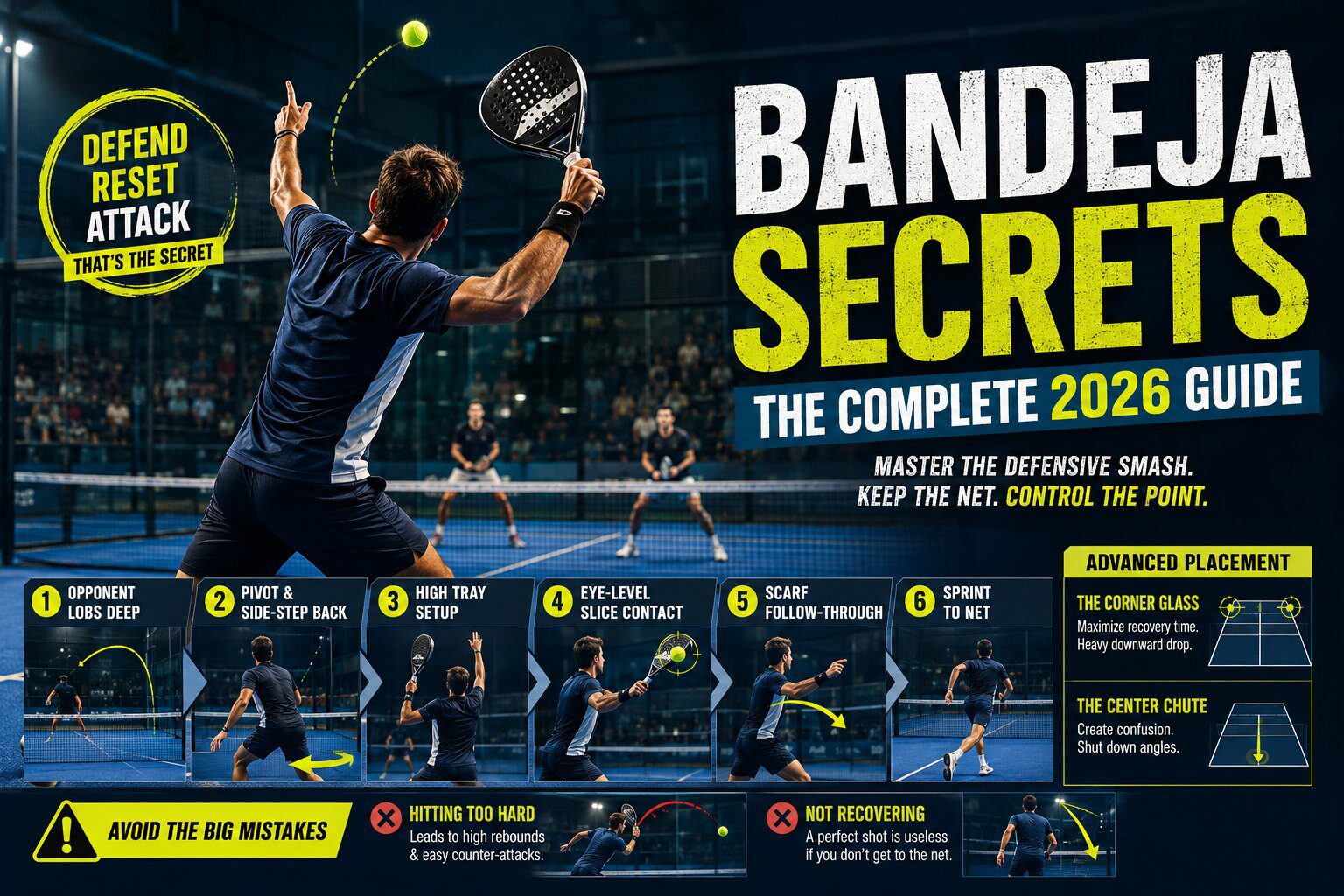
Once players stop fearing the walls on defense, they start seeing how dangerous the walls can be in attack. That is when padel gets fun. There are some of the classic offensive tools, including the bandeja and the víbora. These shots are effective because they not only send the ball over the net but also put it in play. They shape the next bounce. A well-hit ball that skids low and stays tight to the back glass can force an ugly, defensive reply.
The smash aimed toward the wall is another example of how padel differs from tennis. In tennis, the clean put-away is often direct. In padel, using the glass can make the shot even tougher to defend. If the ball bounces high off the back wall, it can become nearly unplayable or kick out, ending the point outright.
Cross-court wall shots and corner angles add another layer. Aiming for corners can create dead zones, especially when the ball rebounds off two surfaces. That is where anticipation breaks down for opponents. They are not just tracking speed. They are trying to decode geometry in real time.
Specific wall-based situations include the off-the-wall smash on a lob and the two major double-wall patterns: closing and opening rebounds. Those are advanced plays, but they show the same principle: once you understand the ball’s route off the walls, you are not just surviving the rally anymore. You are shaping it.
What Beginner and Intermediate Padel Players Usually Get Wrong
Most mistakes with the walls come from one of three things: bad spacing, bad timing, or bad decision-making. Spacing is the first problem. Players often get too close to the back glass and jam themselves, or they stay too far away and reach for the ball late. Timing is the next issue. Some hit too early before the rebound settles. Others wait too long and let the ball drop into an awkward zone.
Then there is decision-making. This may be the biggest one. Not every ball should be played off the wall. There are balls you need to hit before they touch the glass, especially if waiting would let the ball die or drift into a worse position. Good padel is not about always using the wall. It is about knowing when the wall helps. That is why the best advice is usually the least glamorous: read the ball early, move your feet, stay balanced, and choose the simplest, most effective option. The walls are a resource, not a trick shot contest.
What Comes Next for Players Trying to Improve Their Padel
The next step is practice, specifically the kind that isolates wall situations rather than hoping they show up naturally. Players who want to get better should spend time on single-wall rebounds, then corner reads, then defensive lobs off the glass, and finally more advanced offensive plays like the bajada, bandeja, and angled finishes.
The good news is that the roadmap is already there. The walls are an essential part of modern padel strategy, and there is a plan as to how players should use them in match situations. Put together, the message is hard to miss: if you want to improve in padel, you have to get comfortable with the glass. The players who do that stop treating deep balls like problems. They start treating them like possibilities.