
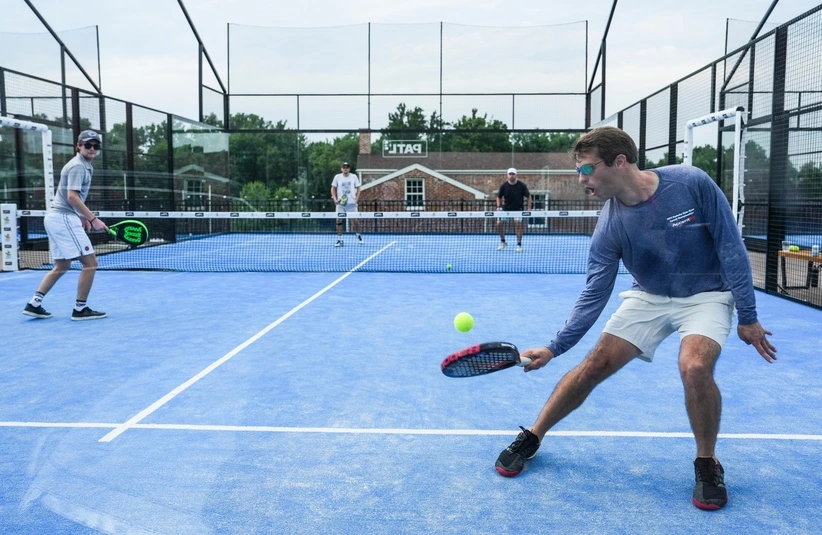
Padel courts across Spain are claiming thousands of bird lives each year as fast-flying migrants slam into invisible glass walls. However, a simple, low-cost fix is gaining traction and offering hope for the booming sport.
The explosion of padel has brought joy to millions, yet it’s come at an unexpected environmental cost. Bright blue courts enclosed by toughened glass panels look sleek and modern to players, but to birds they often appear as open sky or reflections of surrounding trees and wetlands.
Ornithologists warn the toll is mounting in a country that’s both padel’s heartland and a critical migration route. According to reports, solutions such as external nets and innovative vinyl decals are proving effective without compromising the game’s aesthetics or playability.
The Scale of the Padel Bird Collision Crisis
Spain boasts around 17,300 padel courts, roughly a third of the world’s total, with six million players making it the country’s second-most popular sport. Many top-drawer academies, such as the Rafael Nadal academy, own some of those padel courts.
But that growth has a hidden price. The Spanish NGO GREFA and conservation groups estimate each court could account for up to 135 bird deaths annually in some areas. In Valencia alone, records show around 75,000 deaths, while Catalonia has seen about 24,000.
Migratory species suffer most. Swallows, warblers, kingfishers, buntings, and even threatened sparrows fly fast through wetlands like Valencia’s Albufera or Catalonia’s Aiguamolls de l’Empordà. They simply don’t register the 10mm glass as a barrier. Sara Cabezas Díaz, a conservation technician at SEO Birdlife in Madrid, put it plainly. The impacts are real, especially near natural areas where birds gain speed.
This isn’t just a Spanish issue. Glass collisions kill an estimated one billion birds yearly in the US alone, with cities along migration paths hit hardest. Padel’s rapid spread to the UK means the challenge could follow if courts pop up unchecked near wildlife zones. In the UK, player numbers more than doubled to 860,000 between 2024 and 2026.
Why Padel Courts Become Deadly Traps
Padel’s enclosed format defines its charm: fast rallies, wall play, and that sociable vibe that hooks players like Alfonso Montferrer, head of the Valencian Padel Federation, who’s been at it for 30 years. Courts often sit on the outskirts of towns, framed by mountains, forests, or wetlands.
Regulatory gaps make things worse. Many courts are considered small-scale sports facilities, thereby avoiding full environmental impact assessments. That means the problem can spread quietly until local groups step in. Birds don’t see the glass the way humans do, mistaking reflections for open flight paths, especially at dawn or dusk when light plays tricks.
Early Attempts and the Nets Breakthrough
Valencia’s environmental department teamed up with the regional padel association in 2022 to test fixes. Bird-of-prey stickers and dotted or vertical line patterns on the glass didn’t cut it, and birds still collided.
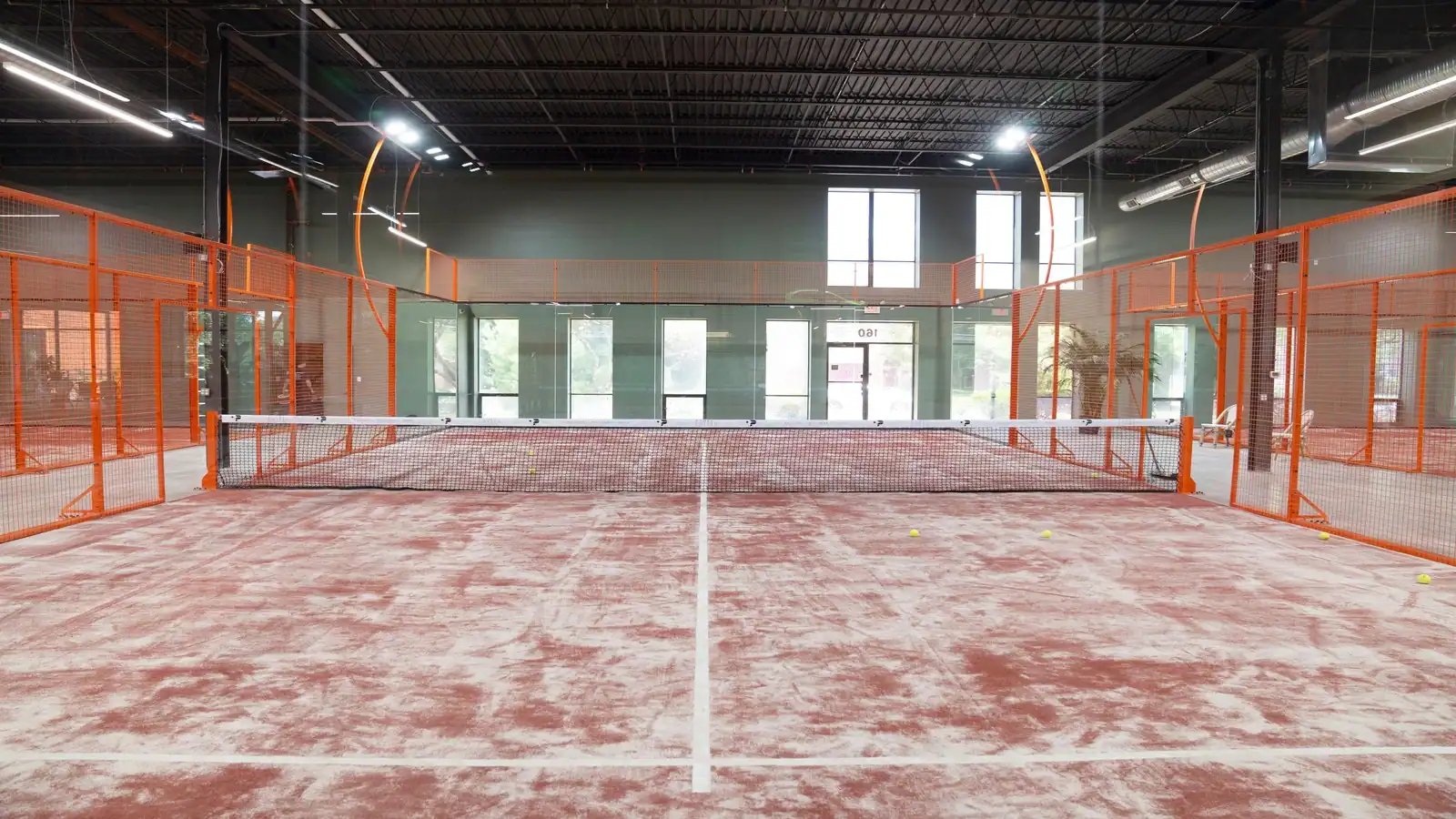
The winner was a straightforward, external net costing of around £600. Installed outside the glass, the rope’s thickness gives birds a visible cue they can’t pass through. Montferrer noted it’s cost-effective, barely noticeable to players once their eyes adjust, and removable for tournaments. On equipped courts, deaths dropped to nearly zero.
At the Universidad Pablo de Olavide in Seville, near the biodiverse River Guadaíra, researchers have logged collisions on their four courts since 2016. After adding nets, Jesus Infiesta from SEO Birdlife reported zero incidents. “The method is effective and especially cheap,” he said. Other clubs, like Club Vilacolum in Girona, combined nets with vegetation buffers and grouped courts to limit exposure, reporting very few hits.
Artesivo’s Adhesive-Free Vinyl Decals
While nets deliver results, a fresh option from Artesivo offers even more flexibility. Launched around March this year, their patent-pending adhesive-free vinyl system makes glass visible to birds through printed patterns.
The big advantage is no glue. Traditional films can leave residue or complicate glass shattering in breaks, creating hazards. Artesivo’s version applies and removes cleanly. It ticks the boxes for safety standards while allowing clubs to make adjustments to match their branding. Installation works on new or existing courts after a simple glass cleaning with no structural changes needed.
Artesivo plans to showcase it at Padel World Summit 2026. These decals break the transparency and reflection without affecting players’ views or the court’s look, striking a balance many clubs seek.
Broader Implications for Padel’s Future
Some enthusiasts push back, saying the issue gets overstated. Montferrer himself says he’s never seen a dead bird in decades of play and believes fixes should target high-risk spots like nature reserves rather than blanket every urban or covered court.
Yet environmental groups see momentum. With padel exploding globally, proactive steps now can prevent bigger headaches later. In places like Ávila province, campaigns blend nets, decals, murals, and education for a comprehensive approach.
The story echoes wider bird conservation efforts. Patterns spaced properly, think dots or lines a couple of inches apart, have cut collisions dramatically in buildings and homes. Padel gets the same science applied at scale.
What Comes Next for Safer Padel Courts
Clubs and federations now face a choice: ignore the data and risk backlash, or adopt proven, affordable tools like nets and vinyls. Valencia’s success shows complaints drop once measures are put in place. Universities and NGOs are documenting results.
As padel eyes new markets across the spectrum, expect more conversation around responsible building. Integrating bird-friendly designs could become a common theme going forward.
Players love padel for its entertainment purposes. Protecting the birds that share those scenic backdrops doesn’t diminish that joy; it enhances it. A quick net or smart decal keeps rallies going while letting migratory flocks pass safely overhead. The fix is here, cheap, and effective. The question is how fast the padel world adopts it before more courts multiply the problem.
For club owners, the takeaway is practical: assess your location, talk to locals, and test a solution. For players, it’s a reminder that loving the game means respecting the environment it occupies. Spain is leading with real-world results, with nets slashing deaths to zero, and innovative vinyls adding options. The external community can follow suit, ensuring this sport remains sustainable for generations.

One Comment on “How Spain Is Battling Bird Deaths on Padel’s Glass Courts”