
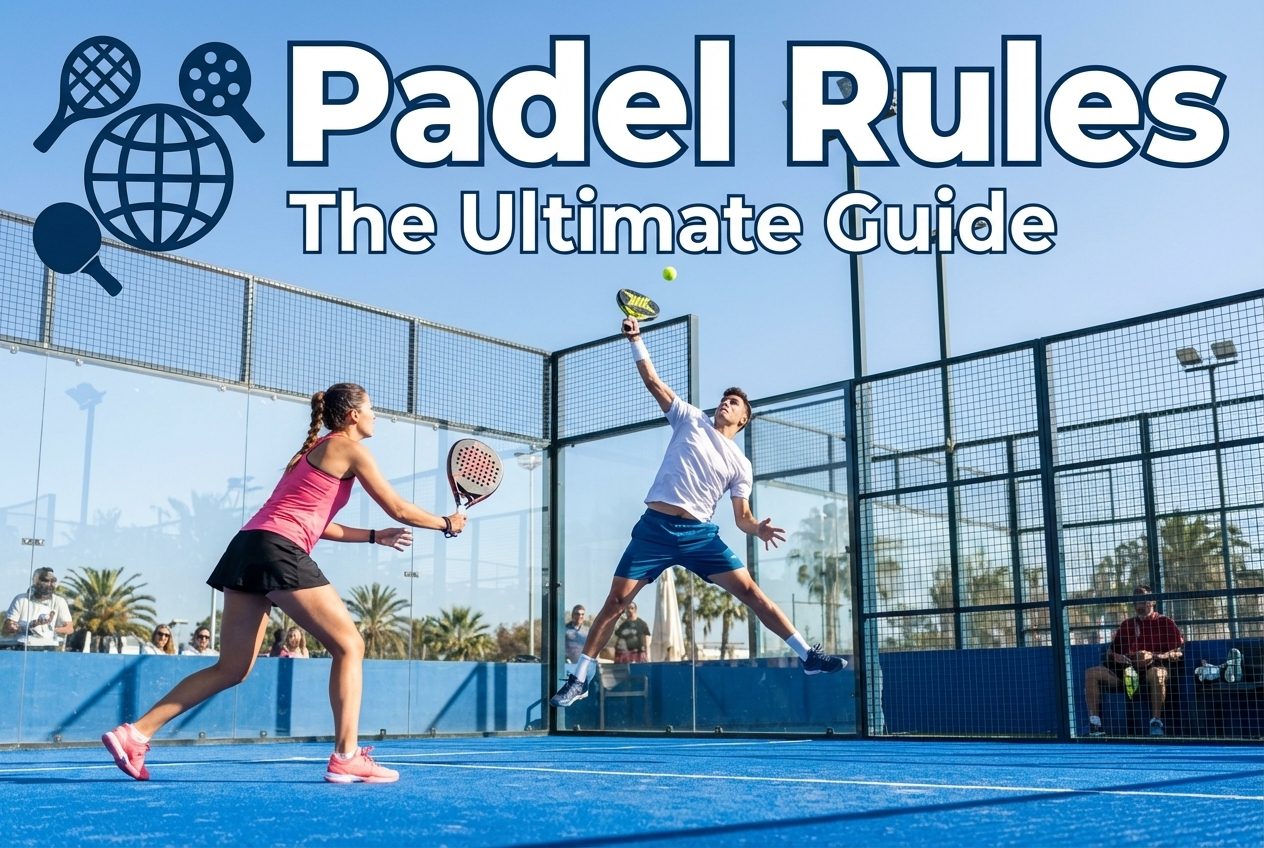
Padel rules are actually easier than most people think, even if they look confusing at first. The game feels fast, but once you step onto a padel court, everything starts making sense. You just need to understand how the ball moves, how points are scored, and how the rally continues.
In simple terms, padel rules control how you serve, how you return, and how you win points in a doubles match. Most beginners in the USA compare it to tennis, but it’s not the same. The walls change everything. And honestly, that’s what makes the game so addictive.
What is Padel and how is it played
Padel is played in doubles on a small enclosed court. The game starts with a soft underarm serve, and then the rally begins. The ball must bounce once before you hit it back. After that, it can also hit the glass walls, which keep the point alive.
What makes it interesting is that rallies don’t end quickly. You don’t just rely on power. You rely on timing, placement, and patience. A good player often waits for the opponent to make a mistake instead of forcing a winner.
Key differences from tennis and squash
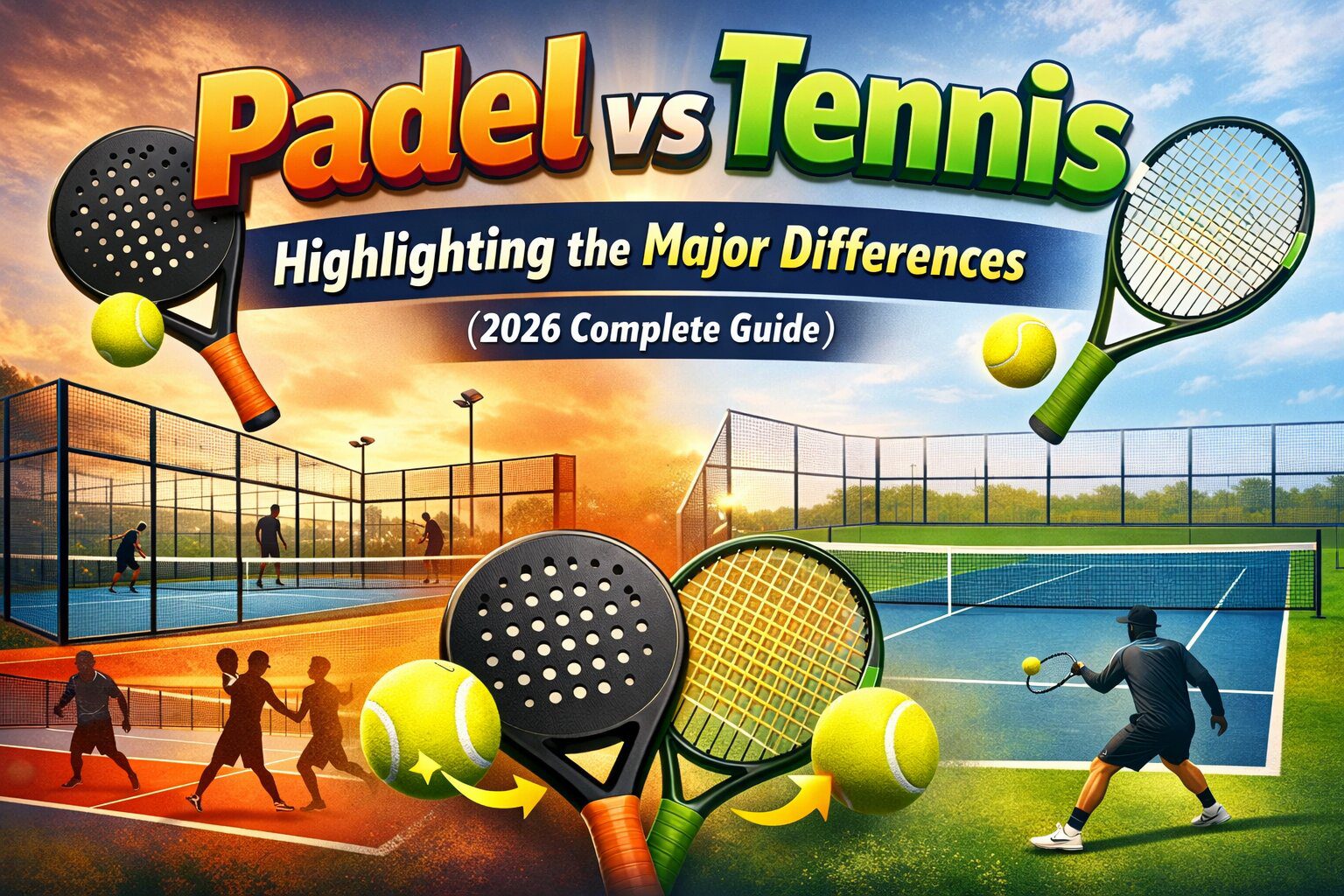
If you come from tennis, the first weird thing is the serve below waist height. No big overhead serves here. Everything is under control.
And unlike squash, you don’t just smash walls randomly. You actually use walls strategically to build points. Sometimes you’ll see the ball bounce off the back glass, slow down, and suddenly change direction. That’s where beginners get caught off guard with those awkward rebounds.
Official Padel Rules by the International Federation (FIP)
The official padel rules are set by the International Padel Federation (FIP). These rules keep the game the same whether you are playing in the USA or anywhere else.
Without standard rules, every match would feel different. One court might allow something, another might not. That’s why FIP exists. It keeps everything clean and fair for every doubles match.
Why the Padel Rules Matter?
The FIP decides how matches should run from start to finish. Things like serve rotation, scoring, and even what counts as a fault are all controlled by them.
For example, if you don’t follow proper serve line rules, your opponent automatically wins the point. No debate, no confusion. That’s the beauty of having a clear structure in padel rules.
Padel Court Rules and Unique Features

A padel court looks small, but don’t let that fool you. The walls, the glass, and the cage completely change how the game feels. Every corner matters. Once you understand padel court dimensions, you start seeing why positioning is everything. You don’t just chase the ball. You read where it will bounce next.
Court dimensions and layout
A standard court is 20 meters long and 10 meters wide. The net divides it in half, and each side has marked service boxes.
| Feature | Detail |
|---|---|
| Length | 20 meters |
| Width | 10 meters |
| Net | Center divider |
It’s compact, which is why rallies feel so fast and intense.
Glass walls vs mesh fencing
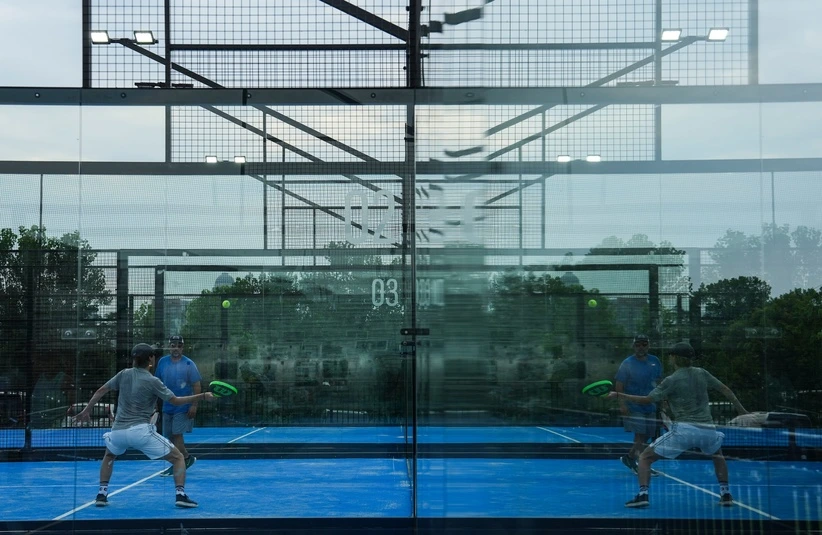
Now here’s where padel gets fun. The glass walls keep the ball alive after a bounce. Players often rely on the back glass to reset difficult shots.
But the metal cage is unpredictable. The ball can bounce strangely after hitting off the cage, which sometimes saves you and sometimes ruins your shot.
What is in and out on the court
A ball is “in” if it lands inside the lines or properly rebounds off the walls. If it flies outside or hits the wrong structure, it’s out-of-bounds.
Sometimes it’s not obvious. You’ll hear players argue about shot in/out calls, especially when the ball clips the edge and shoots off the court doors or fence.
Starting the Game: Positions, Sides, and First Serve
Every doubles match begins with players choosing sides and deciding who will serve first. Positioning matters because it sets the tone for the entire match.
Once positions are set, players must follow proper serve rotation. This ensures fairness and keeps the game balanced from start to finish.
Player positioning rules
Players stand diagonally across the padel court, with one server and one receiver. Correct positioning ensures the serve lands inside the correct service boxes.
Good positioning also helps you react faster during a rally. Staying alert near the net gives you an advantage.
Choosing sides and service order
Players usually flip a coin to decide sides and first serve. After that, the serve rotation continues throughout the match.
Following this order avoids confusion and keeps the game smooth. It also ensures equal opportunities for both teams.
Padel Serve Rules Explained Step by Step
The padel underarm serve is probably the biggest adjustment for new players. It feels strange at first, especially if you come from tennis.
But once you get used to it, it becomes very natural and even tactical.
Underhand serve technique
The ball must bounce once and be hit below waist height. You send it diagonally into the opponent’s service boxes using a controlled cross-court serve.
There’s no power needed here. Accuracy wins points more than strength.
Service faults and common mistakes
If the ball hits the net, lands outside the box, or breaks serve line rules, it is a fault. Two faults in a row mean a point lost.
Most beginners rush the serve, which leads to unnecessary mistakes.
Number of serves and let rules
You get a first and second serve. If the ball touches the net but lands correctly, it becomes a let serve and you replay it.
This keeps the game fair and smooth without harsh penalties.
Return of Serve Rules in Padel
Returning a serve requires timing and awareness. You must let the ball bounce once before hitting it back.
Quick reactions help you turn defense into attack during the first shot of the rally.
Return order in doubles
Players must follow a fixed return order in a doubles match. This prevents confusion and keeps the game structured.
Breaking the order results in a point lost, so staying aware is important.
Valid and invalid returns
A valid return must land within the court or legally interact with the glass walls. Missing the ball or hitting it out leads to a point lost.
Using angles and soft touches improves your returns.
Rally Rules and Ball in Play
Once the ball is in play, the match really comes alive. This is where padel rules feel real and fun instead of just theory. The rally starts, and suddenly you are reacting instead of thinking too much. The ball moves fast, hits the glass walls, and sometimes comes back in ways you do not expect at all. Every live point feels different, and that is what makes padel so exciting.
Bounce rules and double bounce
The rule here is simple. The ball can only bounce once on your side. If it bounces twice, the point is over right away. No arguments, no second chance. This keeps the game quick and keeps players alert all the time, especially near the corners of the padel court where the bounce can get tricky.
Volley rules
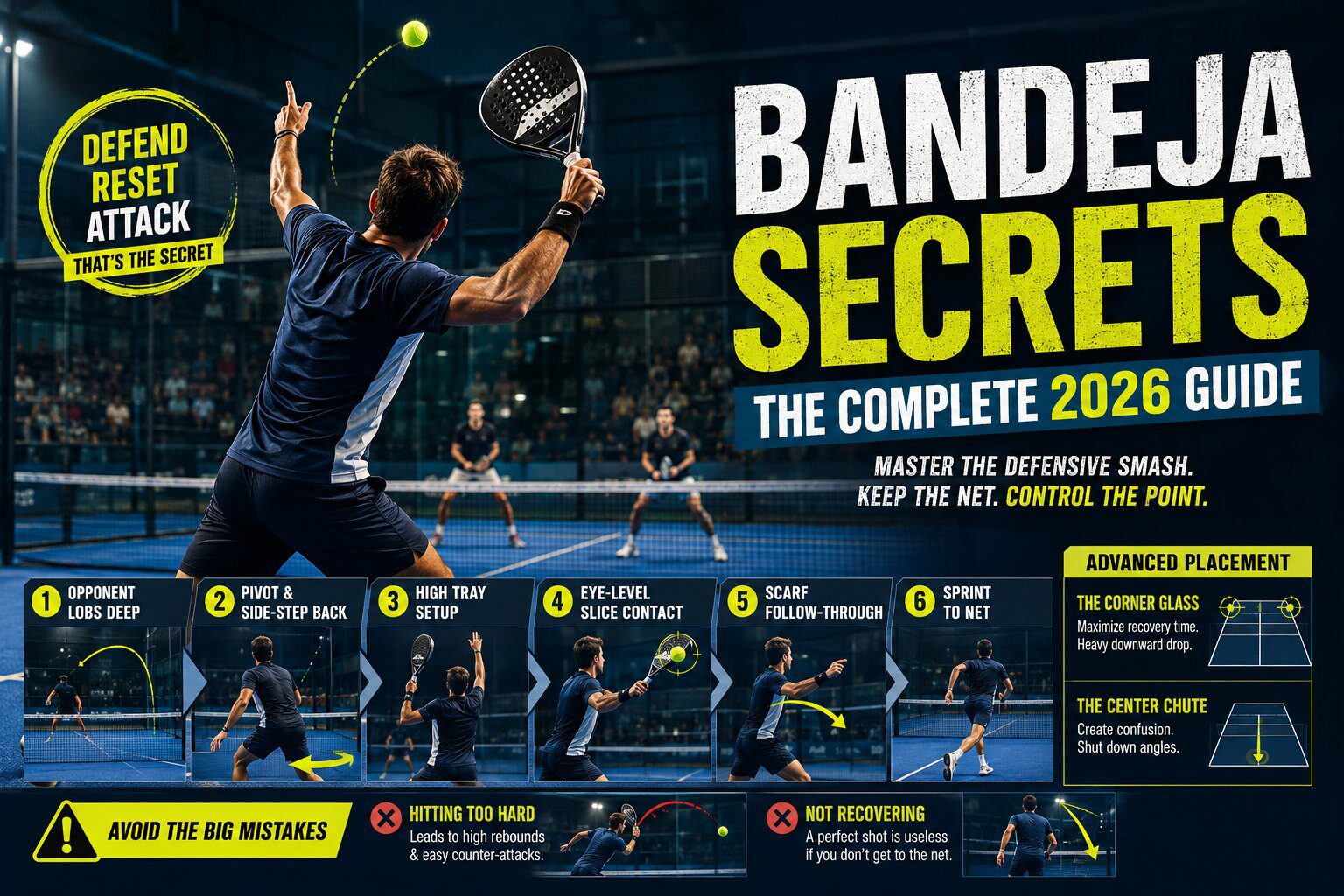
You are allowed to hit volleys during a rally, but not during the serve. Most players love volleying near the net because it puts pressure on the opponent. A good volley can end the point quickly, but timing matters a lot. If you rush it, the ball can fly into the metal cage or bounce strangely off the back glass.
Continuous play and interruptions
Padel is meant to flow without stopping. The rally keeps going, and both teams stay focused. Only a let serve, or official break, can stop it. This nonstop rhythm is what makes momentum so important. Once a team gets control, it often stays that way through the doubles match.
Padel Wall Rules: What’s Allowed and What’s Not
Walls are what make padel rules feel different from any other sport. At first, they confuse you. Then suddenly, they start helping you. You can actually use walls strategically to stay in a point that looked already lost.
For example, hitting the ball off the back glass can slow things down and give you time to reset. But timing matters a lot. If you misread the bounce, the ball can shoot off in a strange direction and cost you the point.
Fence vs glass rules explained
The glass walls are easy to trust. The ball comes back clean and predictable. After some practice, you start using them naturally.
The metal cage is trickier. When the ball hits it, you often get those awkward rebounds. That is where beginners struggle, while better players stay calm and adjust quickly.
Padel Scoring System Explained
Scoring in padel is simple but can get intense during real matches. You move from 15 to 30 to 40, then the game. It feels easy at first, but pressure builds fast when the score gets close.
When both teams reach 40, it becomes deuce, and now you must win by two points. This is where matches often swing.
Points (15, 30, 40, game)
At deuce, pressure increases. One mistake can shift everything. That’s where the advantage point matters.
| Score | Meaning |
|---|---|
| 15 | First point |
| 30 | Second point |
| 40 | Third point |
| Deuce | Tie |
Tie-break rules
When sets are equal, a tie-break decides the winner. You need steady nerves here.
How to win a set and match
Most matches follow a best-of-three-sets format. Consistency matters more than flashy shots.
Common Questions About Padel Rules (FAQs)
People often get confused about simple things in padel rules.
Can the ball hit the body?
Yes, but you lose the point immediately.
Can you touch the net?
No. Touching the net ends the point.
Can you play outside the court?
Sometimes yes, especially through court doors in advanced play.
Can you use tennis balls?
No. Only proper padel balls are allowed.
Ready to Play? Final Thoughts for New Player
Padel feels complicated at first, but it becomes natural very quickly. Once you understand padel rules, every match starts making sense.
Step on the court, enjoy the rallies, and don’t overthink it. The game is meant to be fun, fast, and social.

2 Comments on “Padel Rules Explained for Beginners (Easy Guide to Get Started)”