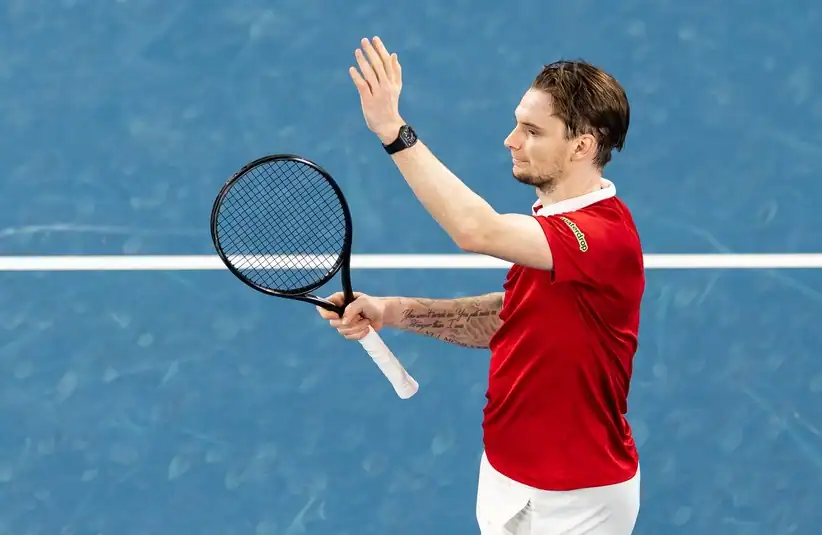
Alexander Bublik didn’t hold back. In a wide-ranging new interview, the outspoken Kazakh star dismissed doubles as “half tennis” and suggested players who can’t cut it there should drop to padel, sparking fresh debate across the tennis world.
The comments come as Bublik rides the best form of his career, but his no-filter style remains unchanged. It’s a reminder that while his results have improved dramatically, his personality keeps him in the headlines for reasons beyond the scoreboard.
Bublik’s Latest Jab at Doubles and Padel
The 28-year-old (turning 29 in June) made the remarks during an in-depth sit-down with The Guardian ahead of action in Rome. He didn’t mince words when asked about doubles specialists: “It’s not tennis. It’s half tennis. If you can’t play singles, you play doubles. If you can’t play doubles, you play padel. Very simple.”
This isn’t the first time Bublik has taken shots at doubles. He echoed similar thoughts in earlier conversations, but the fresh delivery landed with extra sting. For a guy who’s climbed into the top 10 after battling his way back from a career low, the bluntness feels true to form.
Why This Matters for Tennis and Padel Fans
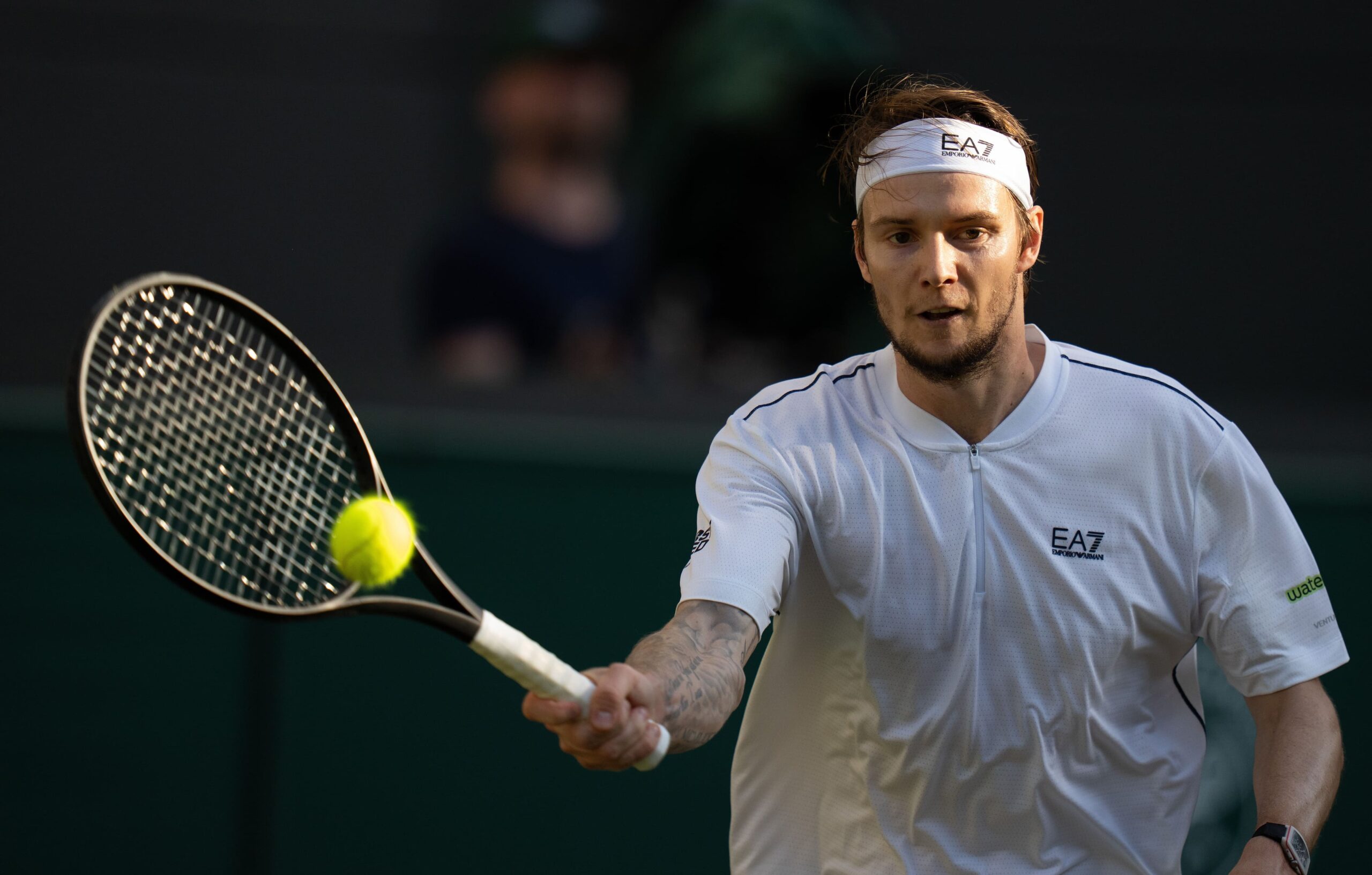
Tennis has long celebrated both singles and doubles, but Bublik’s take cuts to the heart of an ongoing divide. Doubles demands quick reflexes, sharp volleys, and elite teamwork—skills that many singles players respect but don’t always prioritize in their own training. By lumping padel in as the next step down, Bublik touched a nerve in a sport that’s watched padel’s explosive global growth with a mix of admiration and rivalry.
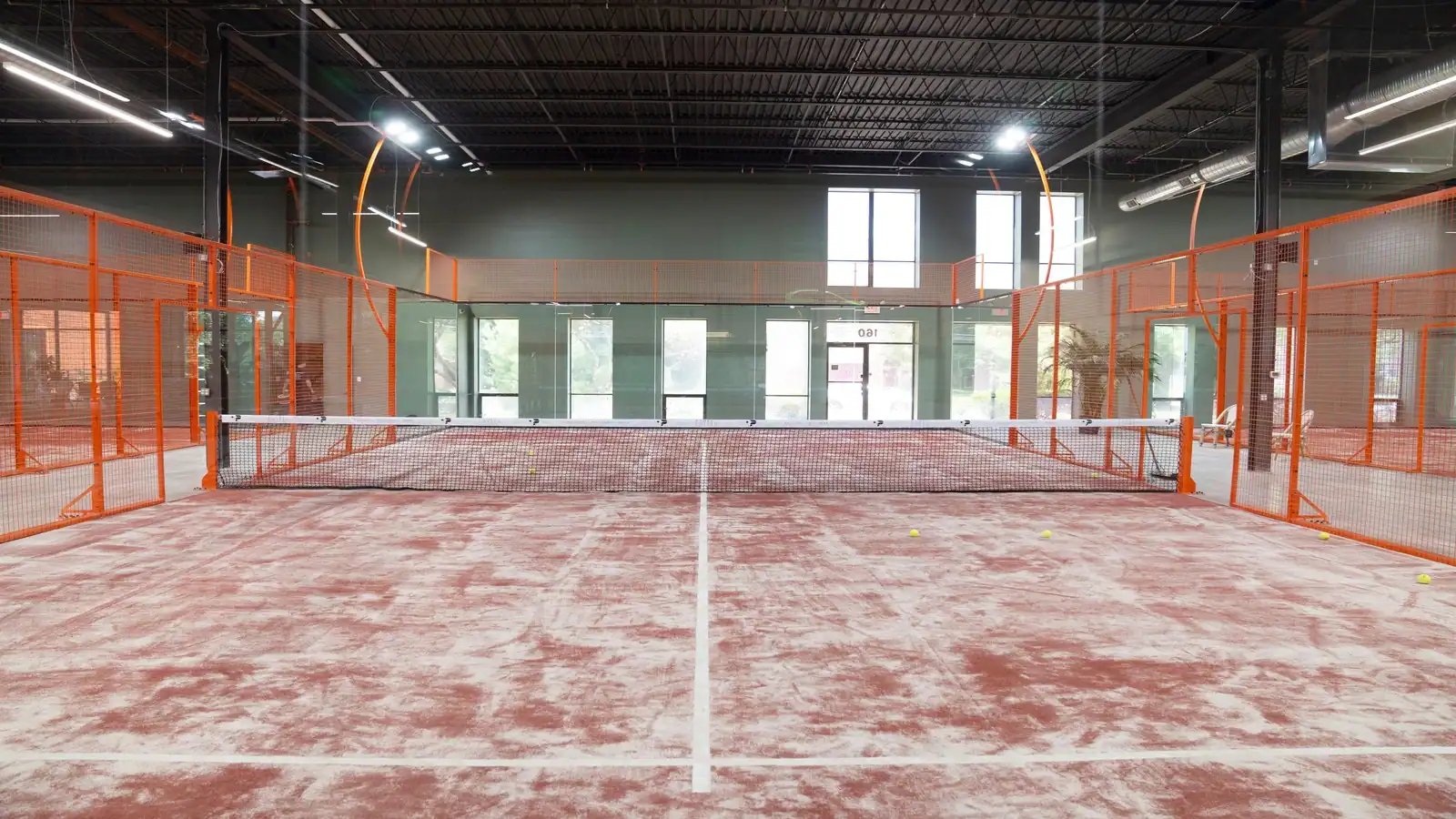
Padel, the fast-paced racket sport blending elements of tennis and squash, has boomed in recent years, especially in Europe and Latin America. Courts are popping up everywhere, and pros are earning solid livings. Bublik’s casual dismissal highlights how some elite singles players view the ecosystem: singles as the ultimate test, with everything else a rung below. Whether you agree or not, it forces conversation about respect across formats and how rising sports like padel fit into the traditional tennis hierarchy.
Bublik’s Remarkable Turnaround
Just over a year ago, things looked bleak for Bublik. He’d slipped outside the top 80, dipping into Challenger events for the first time in years after falling out of the top 50. It hit hard. “Nobody wants to be 80 in the world,” he told The Guardian. “It was a hit.”
That low point became a pivot. Bublik reframed tennis as a job, showing up consistently, a trait he previously lacked. The results speak volumes: a first Grand Slam quarterfinal at Roland Garros, five titles in the past 12 months, and a breakthrough into the top 10. He even took down world No. 1 Jannik Sinner en route to a big title in Halle.
It’s the kind of redemption story that resonates. For years, Bublik admitted he wasn’t fully bought in—skipping proper prep, admitting early on that money was the main driver. Now, at nearly 29, he’s enjoying the game more than ever while defending points and proving the surge wasn’t a fluke. His recent loss to Learner Tien in Rome showed the challenge of staying consistent at the top, but the fire is clearly there.
The Honest Voice in a “Fake” Tennis World
Bublik has never been one for polished PR answers. He openly discussed emotions on court, saying there’s nothing wrong with letting them out in such a high-pressure environment. On social media, he was even more direct: “I think all social media is fake. People pretend to be someone they’re not. Everything seems fake.”
This candor has made him polarizing. Fans love the refreshingly real talk; others cringe at the outbursts and insults directed at opponents. But Bublik shrugs it off. The sport is stressful with constant travel, big stakes, and physical toll. Releasing emotions occasionally beats faking it, in his view.
His history backs it up. Early in his career, stories like arriving in London the day before facing Andy Murray at Wimbledon (as a lucky loser) painted him as talented but undisciplined. He didn’t hide his pragmatism: tennis was a business first. “You realize quickly once you start making money… you got to pay yourself,” he explained.
That mindset helped him build financial security, which then allowed deeper investment in his game. It’s human as players aren’t robots, and Bublik’s willingness to say it out loud stands out in a sport full of cautious soundbites.
Reactions Pouring In
The tennis community didn’t stay quiet. Doubles players and fans pushed back hard. Some called the comments disrespectful to a format that has produced legends and thrilling matches in its own right. Reilly Opelka voiced opinions on social platforms, defending the skill and dedication required in doubles.
On the flip side, some singles grinders quietly (or not so quietly) nodded along, appreciating the hierarchy reminder. Padel enthusiasts took note, too. Bublik’s line gave them ammunition for debates over the legitimacy and growth of their sport versus traditional tennis.
This isn’t a new controversy for Bublik. He’s called out doubles before, labeling it a “joke” in past interviews and noting how singles players sometimes mock specialists. The pattern shows a consistent worldview: full commitment to singles is the real measure.
What’s Next for Bublik
Bublik heads into the latter stages of the clay and grass seasons with momentum but pressure. Can he build on the French Open quarterfinal and sustain top-10 status? His next results will say plenty about whether the mental shift sticks.
Broader implications linger, too. His comments could spark more dialogue between tennis formats and padel. Organizers, players, and fans might examine how to elevate respect across disciplines while celebrating what makes each unique.
For now, expect Bublik to keep speaking his mind. Love him or disagree with him, he’s never boring. In a sport that sometimes plays it too safe, his voice cuts through. The tennis (and padel) world will be watching how he backs up the talk on the court, and whether more players chime in on the debate he reignited.