The Pro Padel League has secured a major financial boost ahead of its next expansion phase. It raised $15 million in a Series A round led by Charlotte Hornets co-chairman Rick Schnall.
This move goes far beyond funding a few indoor courts. It reflects a calculated bet by institutional investors. They believe the fastest-growing racket sport in the world can win in North America. The capital arrives just one year after a $10 million seed round. That timing sends a clear signal. Investors now see the league as a long-term asset, not a passing trend.
Reports from CNBC and industry trackers confirm strong backing from Left Lane Capital. The league will use this funding to expand its front office and build core infrastructure. It also plans to finalize a full event calendar for upcoming seasons.
The Economics of a Racket Revolution
To understand this investment, you need to look at franchise values. When the league launched in 2023, early owners paid about $200,000 to join. At that time, it was a speculative bet on a niche sport.
Today, those same franchises are valued at over $10 million. That level of growth is rare in sports. It usually appears in fast-scaling tech startups, not physical leagues.
The league now operates 10 city-based teams. Eight are in the United States, with one in Canada and one in Mexico. At the same time, leadership is planning ahead. The league recently launched PPL 2, a developmental circuit. It aims to discover and train North American talent.
Padel vs. Pickleball: The Turf War
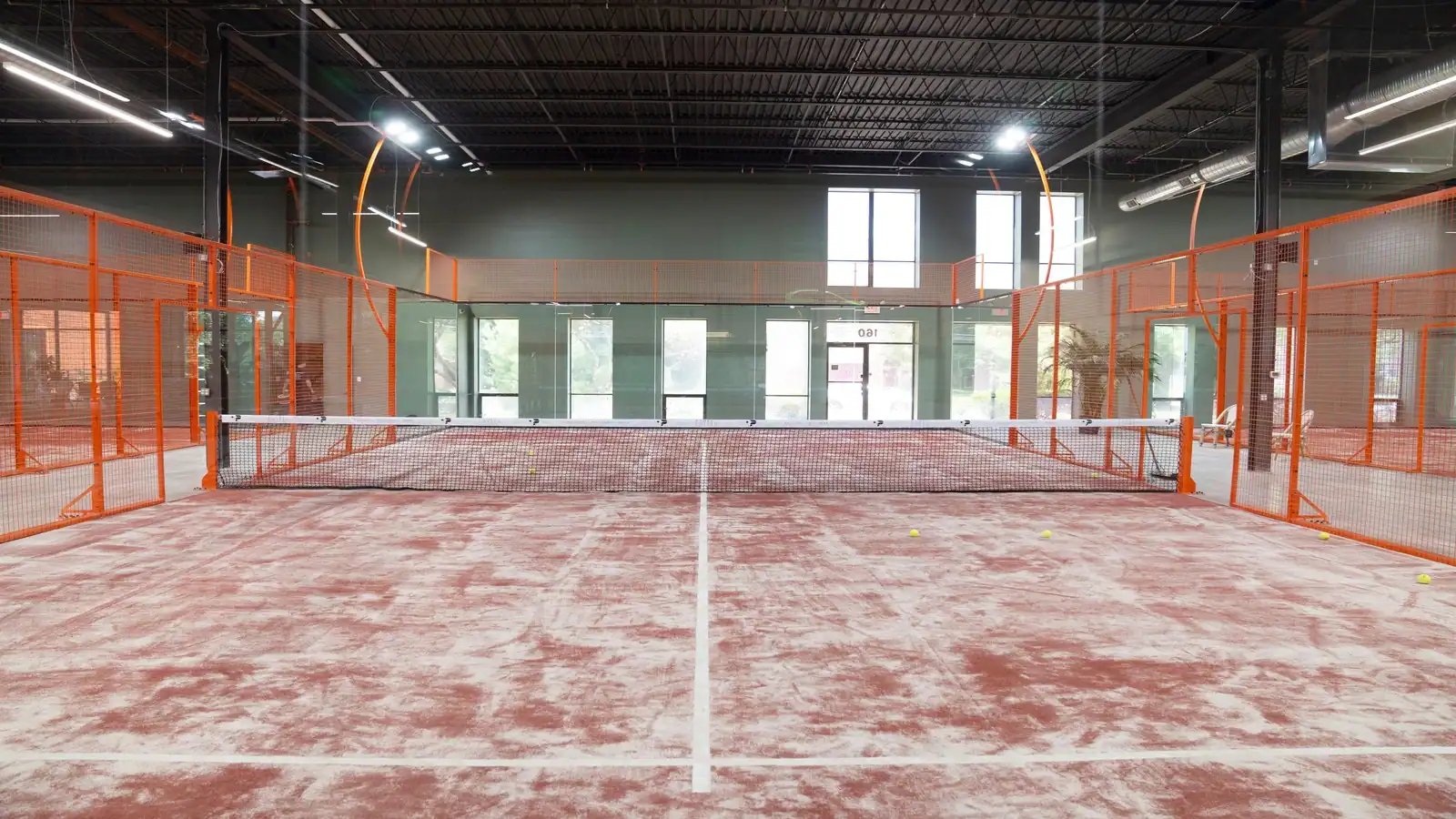
Many people confuse padel with pickleball. The comparison misses the mark. Padel blends elements of tennis and squash into a faster, more dynamic format. Players compete in doubles on enclosed courts that are smaller than tennis courts.
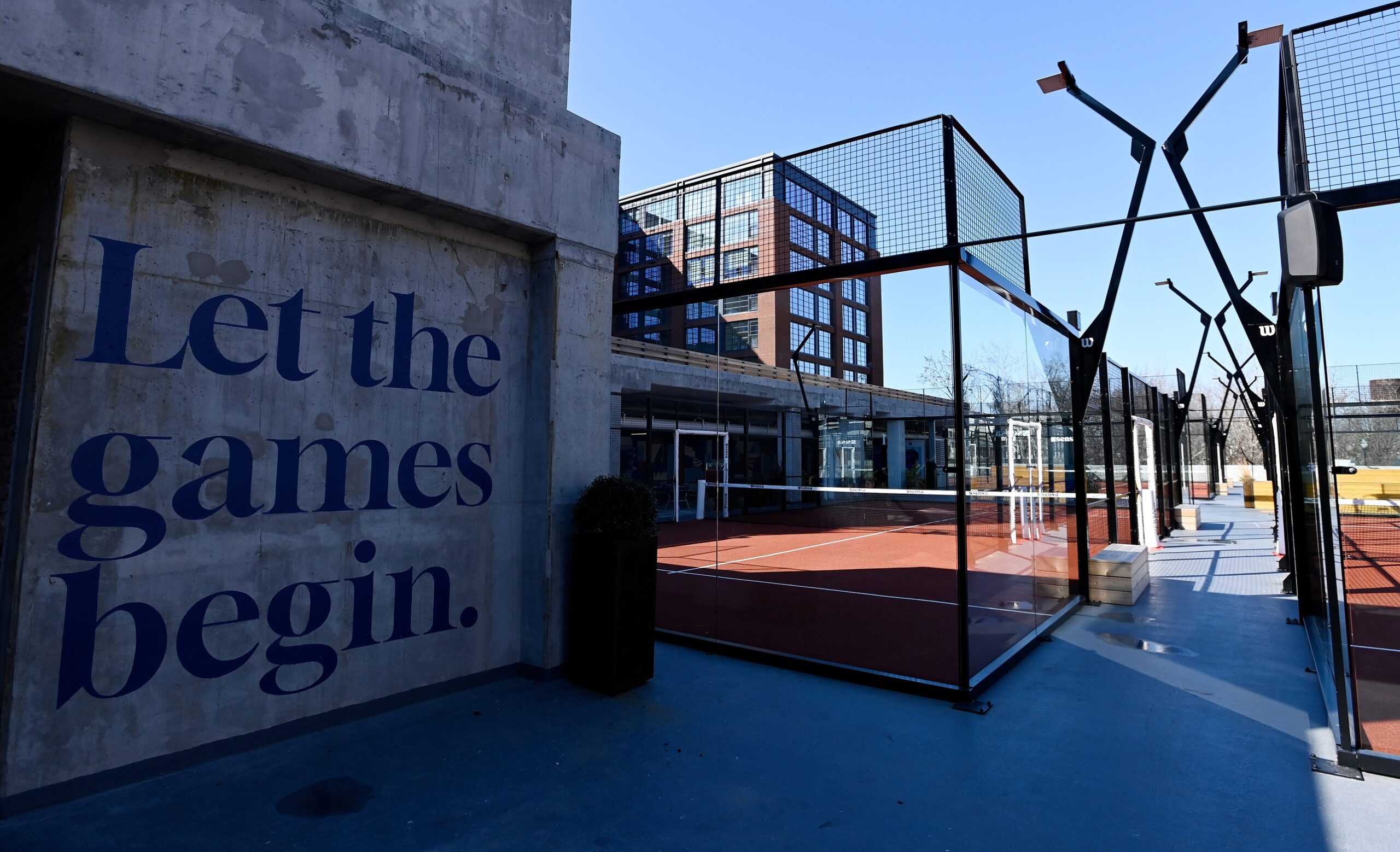
The glass walls define the sport. Players can use them during rallies, which keeps the ball in play longer. This creates fast-paced exchanges and constant movement. The result feels intense, strategic, and highly watchable.
Pickleball continues to grow, but padel offers a different experience. It demands more movement and athleticism. At the same time, it remains easier on the body than tennis. That balance makes it appealing to a wide audience.
Jon Krieger, co-founder of Padel United Sports Club in New Jersey, described it as “the stickiest, most addictive sport.” Many players quickly move from casual interest to regular play.
The High Barrier to Entry
Padel comes with one major challenge: cost. Unlike pickleball, operators cannot convert existing courts cheaply. Padel requires specialized construction. Facilities need glass walls, turf surfaces, and high ceilings.
Because of this, early growth in the United States has leaned toward premium markets. Clubs must invest heavily before opening. However, investors see this as an advantage. High costs limit oversupply and protect early entrants.
That structure allows clubs and franchises to charge premium prices. It also supports stronger long-term returns.
Major brands have already taken notice. The league has signed deals with Frederique Constant and Franklin Sports. These partnerships connect luxury branding with performance-driven sport.
Star Power Is Fueling Growth
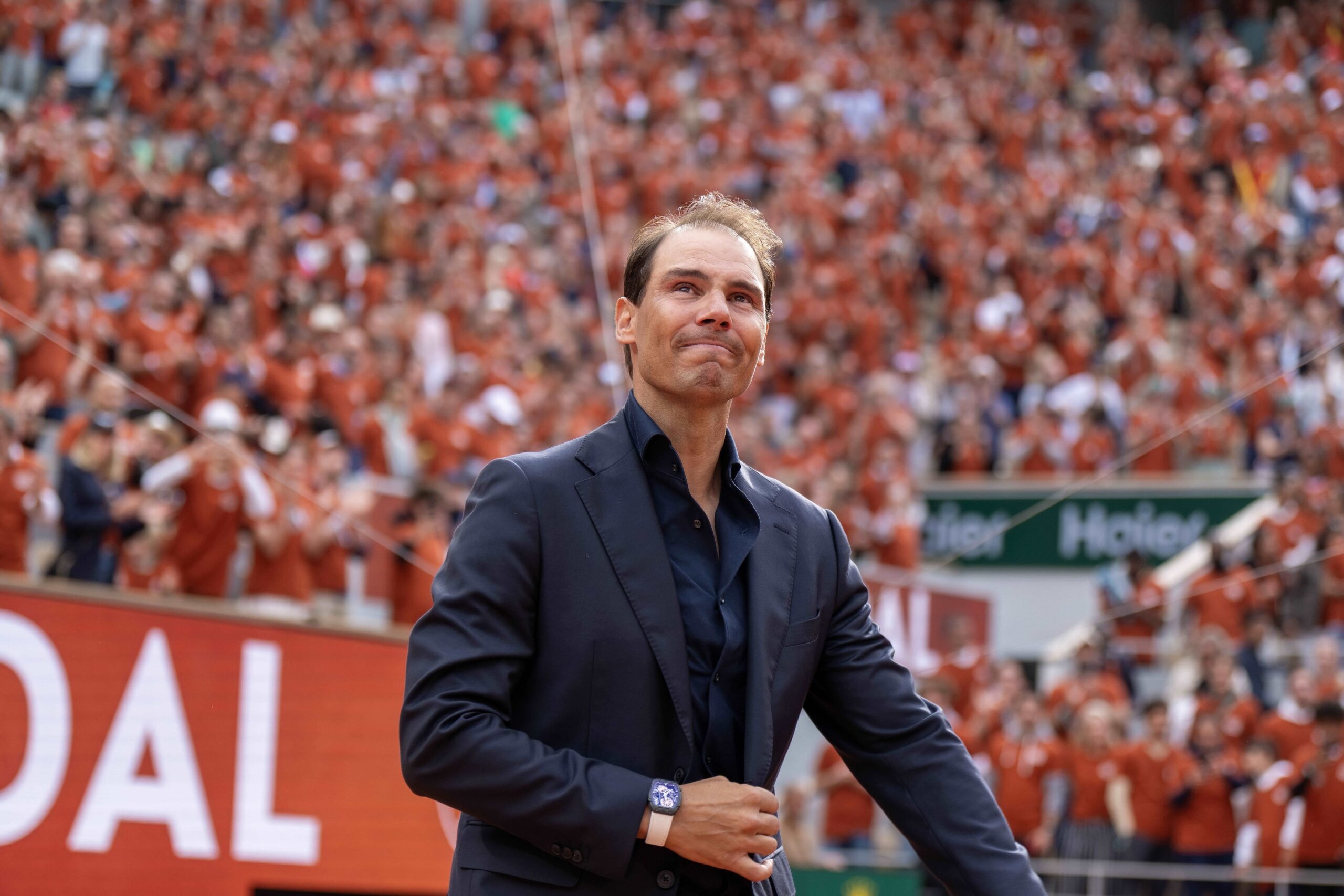
Top athletes have accelerated the sport’s rise. Global icons continue to invest and promote padel worldwide.
Rafael Nadal and Serena Williams support padel ventures. Football stars David Beckham and Cristiano Ronaldo have also invested. Baseball legend Derek Jeter has joined as well.
When elite athletes back a sport, attention follows. Their involvement builds credibility and attracts new fans quickly.
The Global Footprint and the American Opportunity
Globally, padel has already taken off. Industry estimates place the market at around $2 billion. Growth continues at a strong annual pace.
The International Padel Federation reports over 35 million active players across 110 countries. Europe and South America lead the way. In many regions, padel has become mainstream.
The United States still trails behind. However, momentum is building fast. The country currently has only a few hundred courts. That number is expected to rise sharply.
The United States Padel Association projects 20,000 courts by 2030. It also expects around 15 million active players.
What Comes Next
With $15 million in fresh capital, CEO Michael Dorfman is shifting strategy. The league is moving from proof of concept to aggressive expansion. It has already validated its franchise model and attracted strong investors.
Next, the league will focus on execution. Leadership plans to grow its team, secure media deals, and expand visibility. Broadcasting will play a key role in reaching new audiences.
At the same time, the league will build a structured event calendar. Consistent events can turn casual viewers into loyal fans.
The foundation is now in place. The next phase will determine how fast the league can scale.
Final Thoughts
The $15 million raise shows one clear thing: Padel in North America is no longer a maybe; it is happening. The Pro Padel League now has the money, momentum, and backing to push hard into the next phase of growth. Franchise values are rising, interest is building, and the market is still wide open.
But funding alone will not guarantee success. The league still needs to execute properly, expand in the right markets, and deliver a strong experience for players and fans. If it gets that right, this could turn into one of the fastest-growing sports ecosystems in the region.
For Racketivity, this shift matters just as much. As more players enter the game, they will look for the right gear, simple guidance, and a place they can trust. That is where Racketivity fits in, helping players stay informed, improve faster, and stay connected to the sport as it continues to grow.
Frequently Asked Questions (FAQs)
1. Who started the Pro Padel League’s $15 million Series A round and how many funds have been raised so far?
The Pro Padel League was initiated by Rick Schnall, Co-Chairman and Governor of the Charlotte Hornets. Alongside him, there were investors Andrew Schwartzberg and Jason Tillis.
2. How the Pro Padel League has grown since its launch in 2023?
When the PPL got launched, every team’s ownership was worth $200,000. Nowadays, several franchises from the United States, Canada and the UK, are valued for $10 million.
3. Which high-profile figures have invested in PPL franchises?
There are four notable names in this regard. Francis Tiafoe, Maarten Paes, Nacho Figueras and Edward Rogers.